








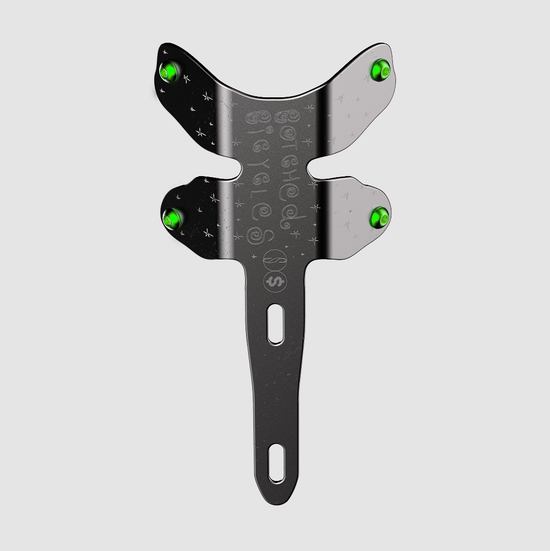


The story of the Allotec A32, aka Bassi’s first fork crown
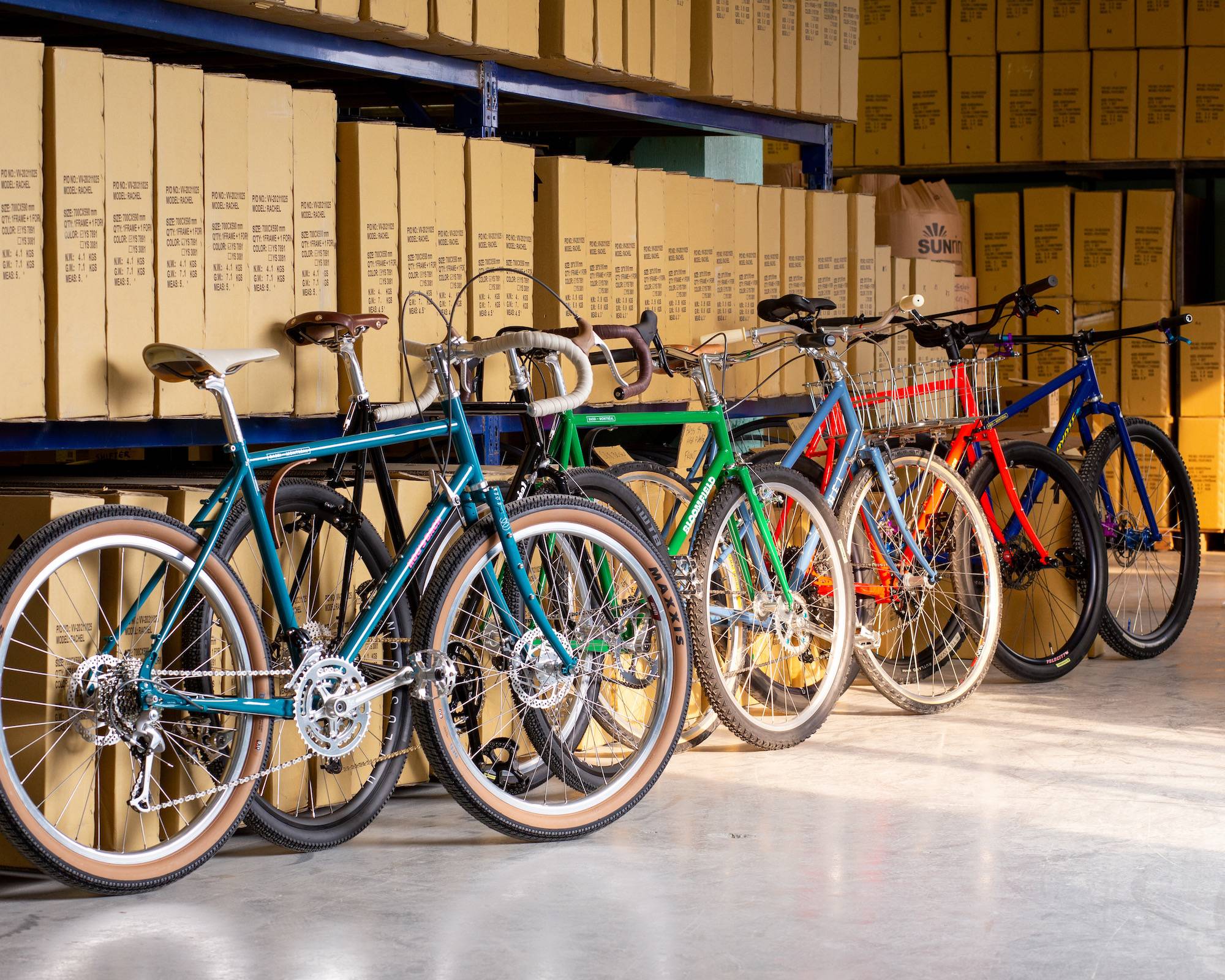
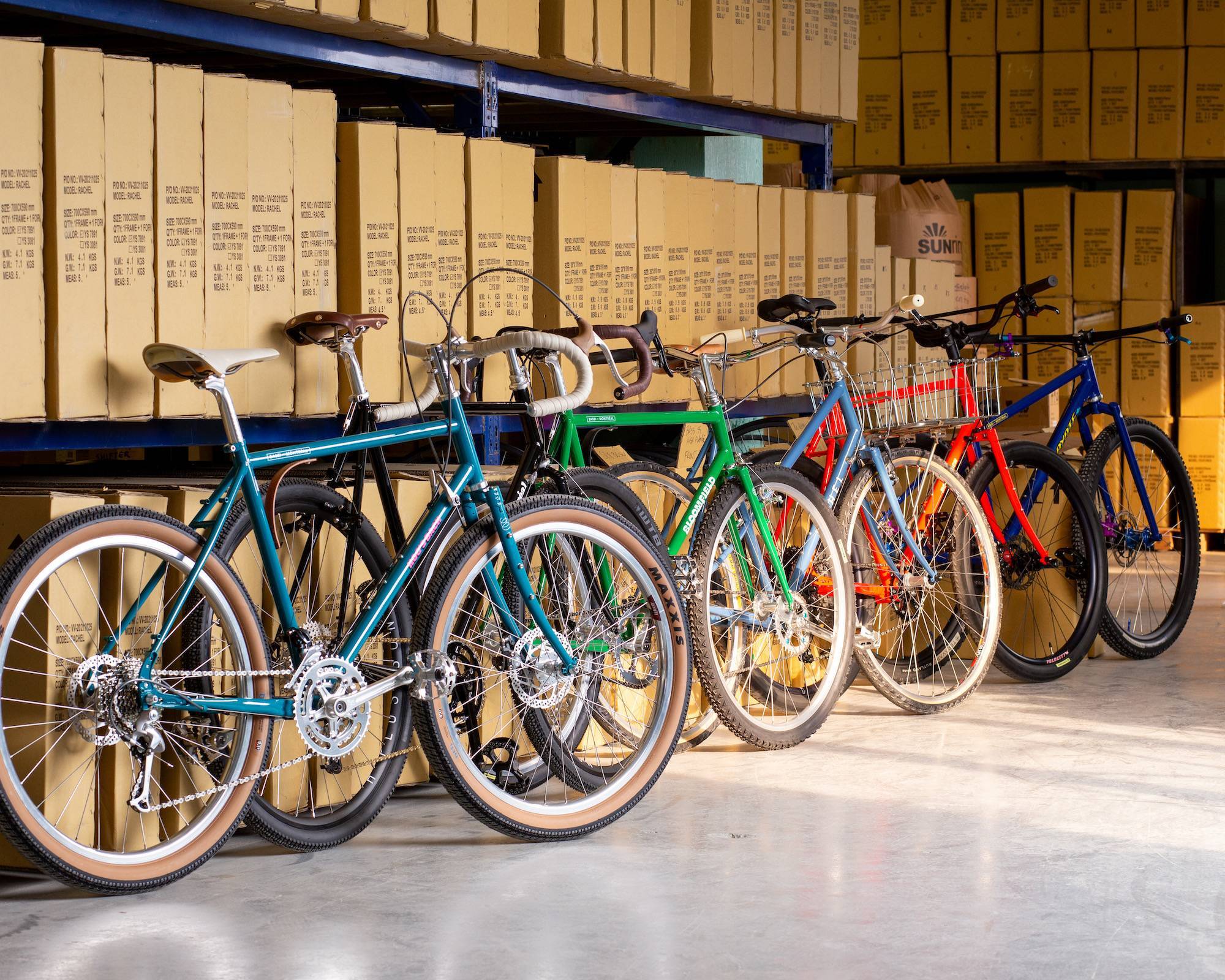
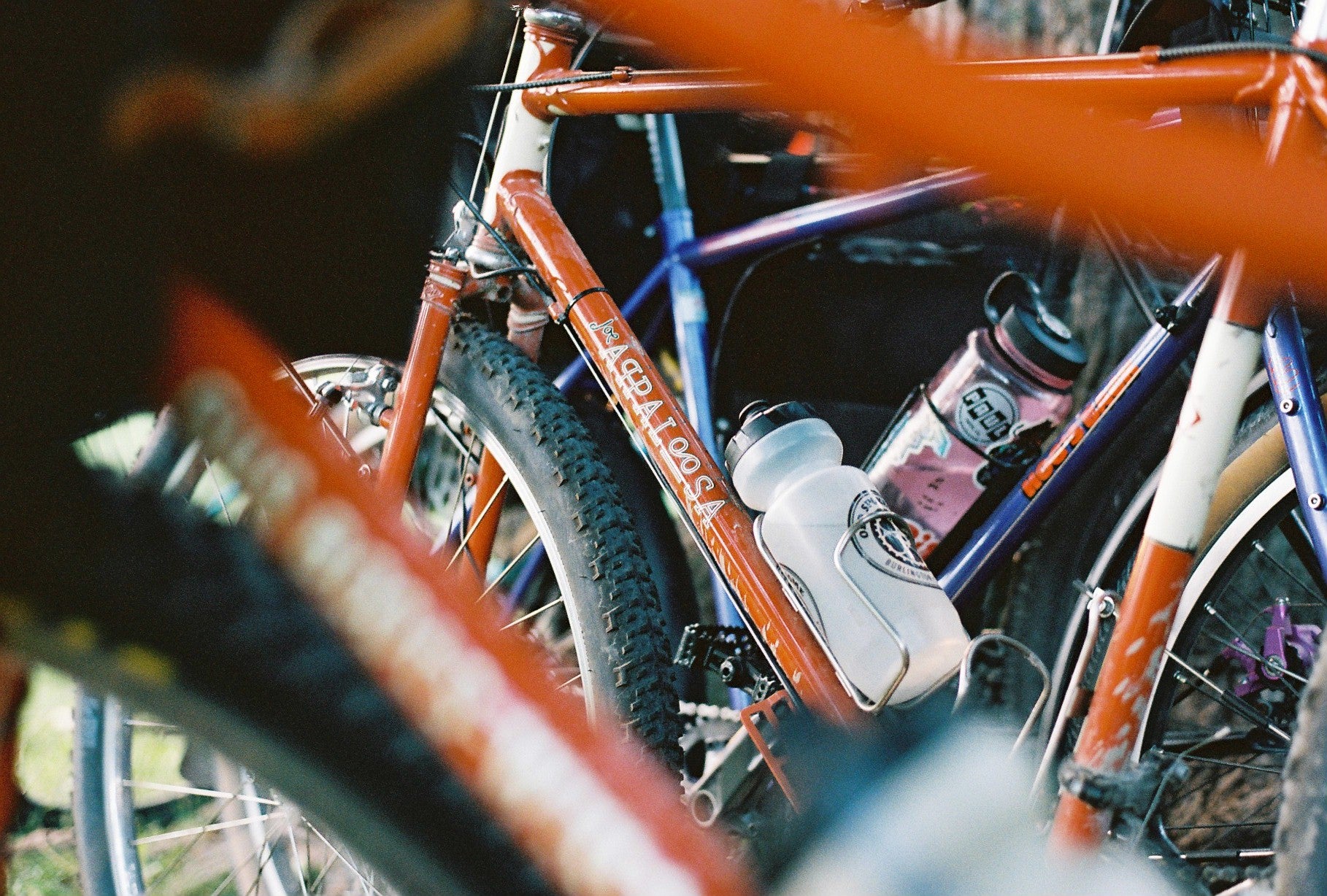
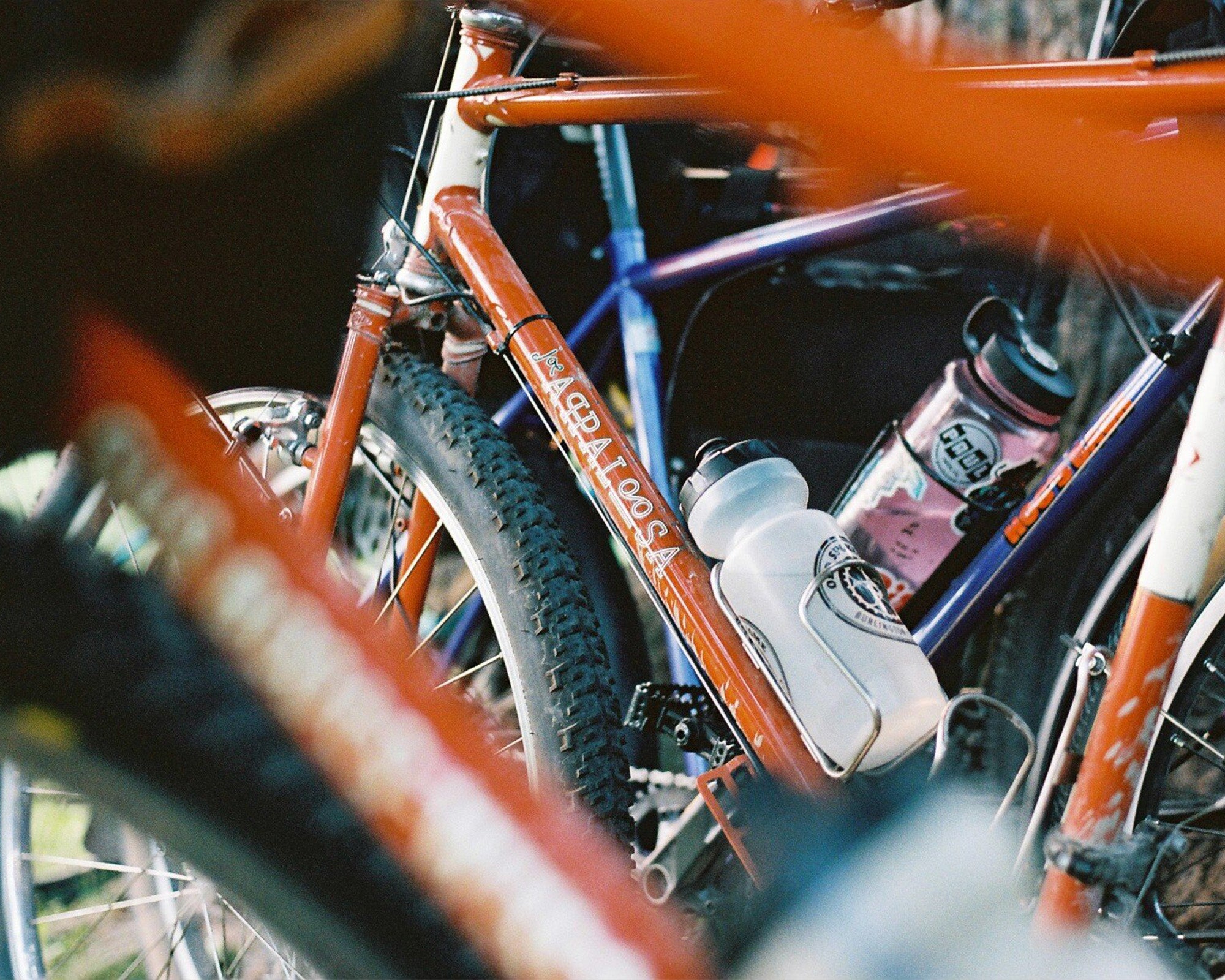
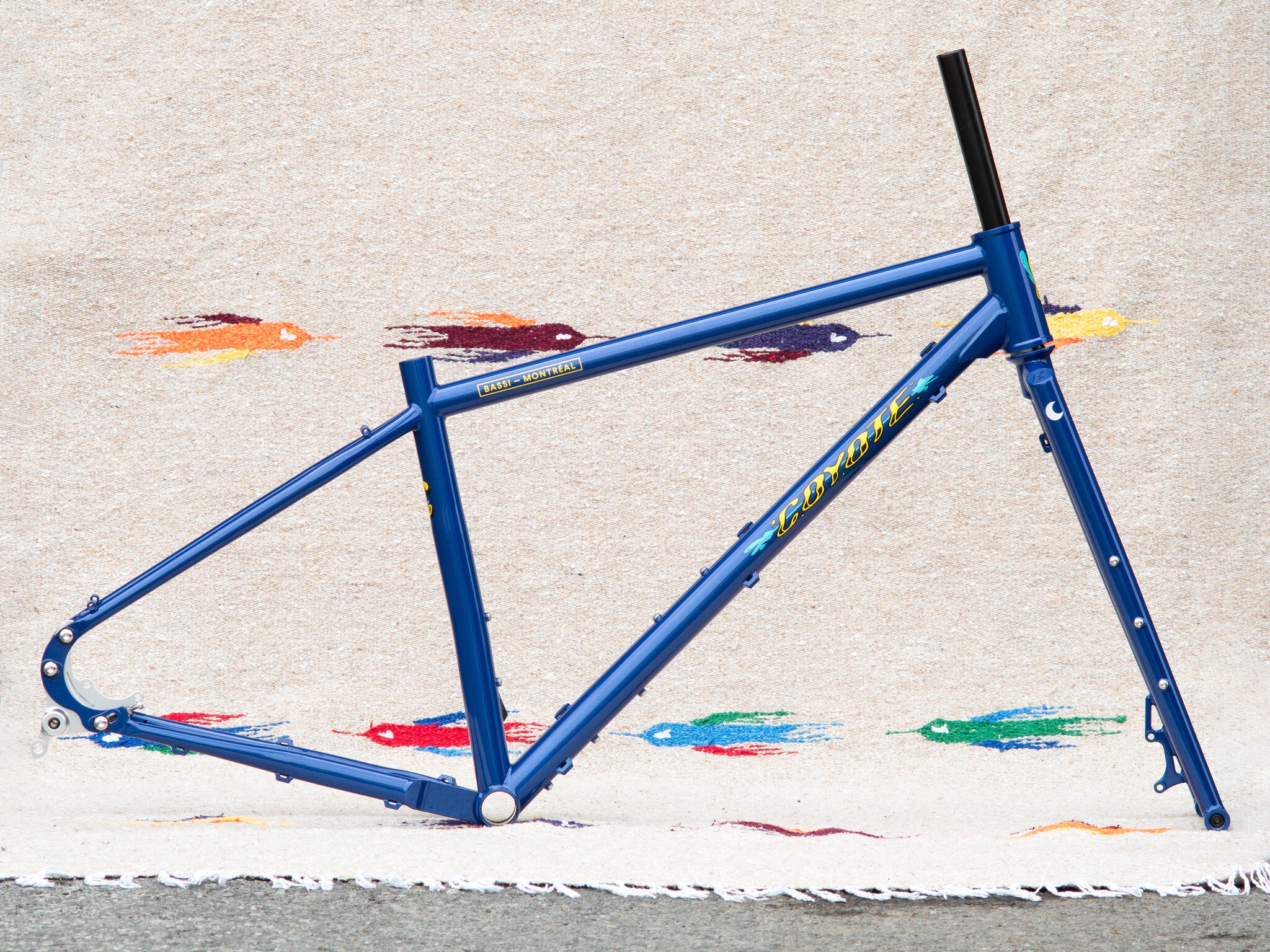
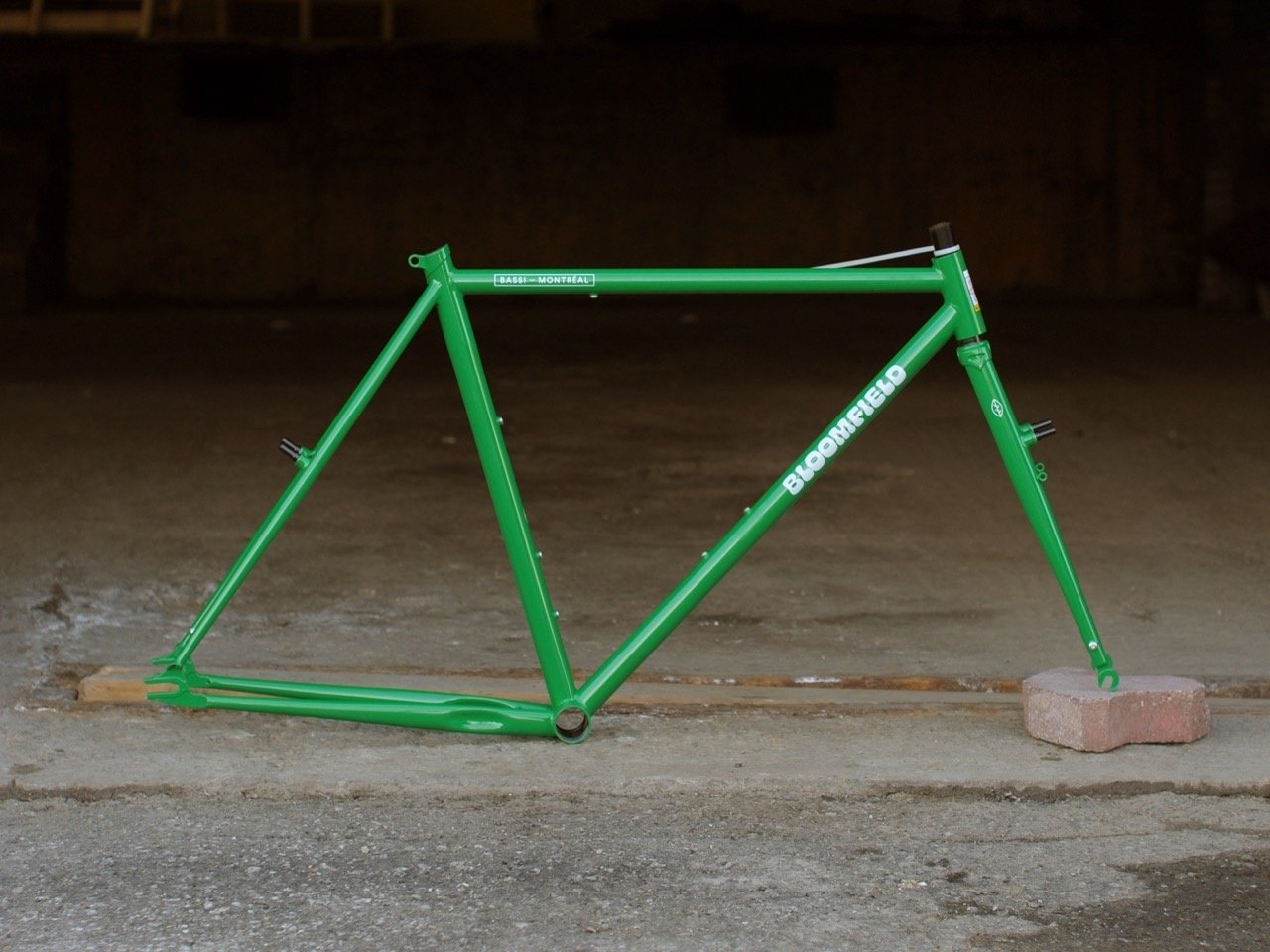
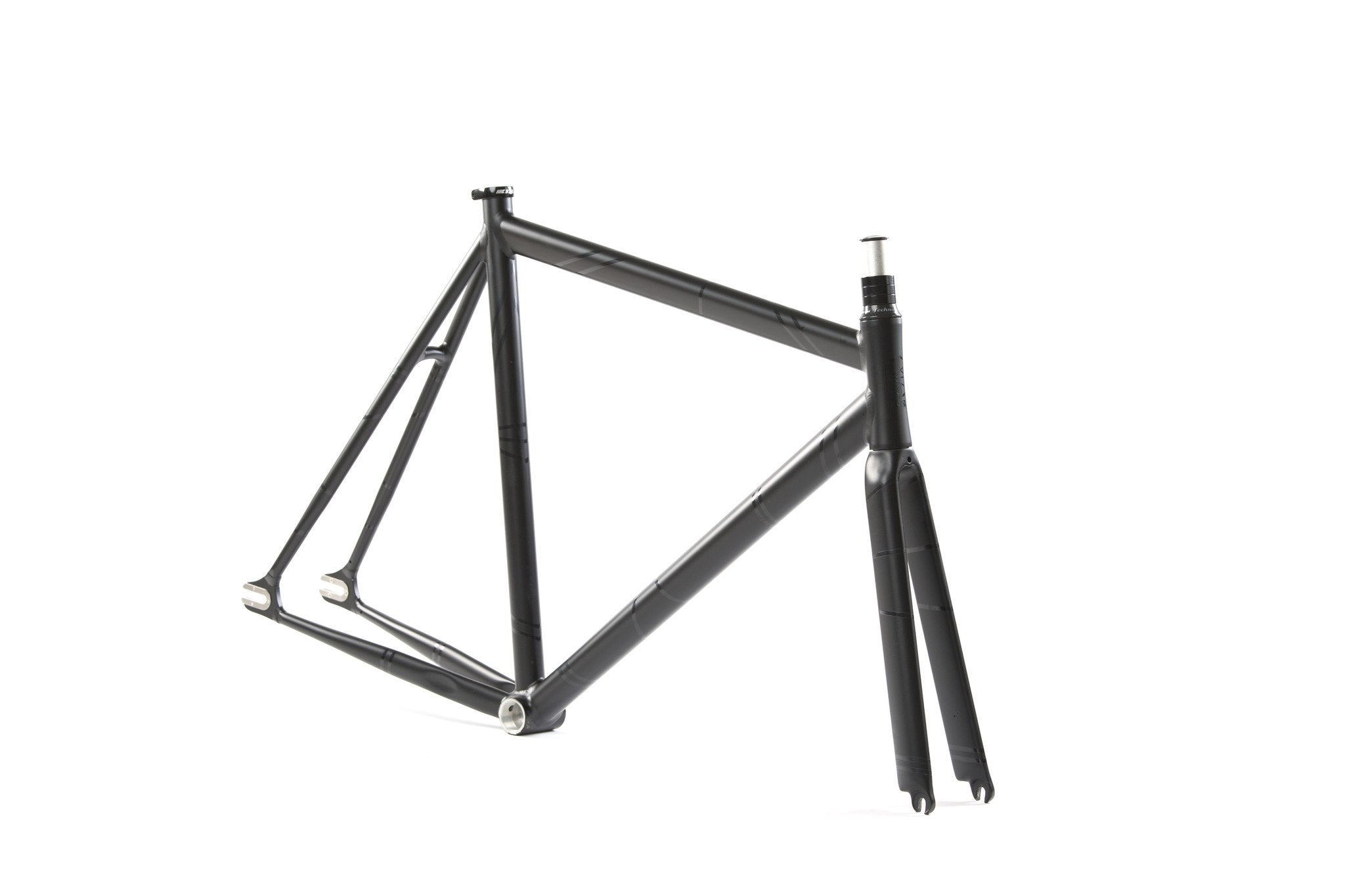
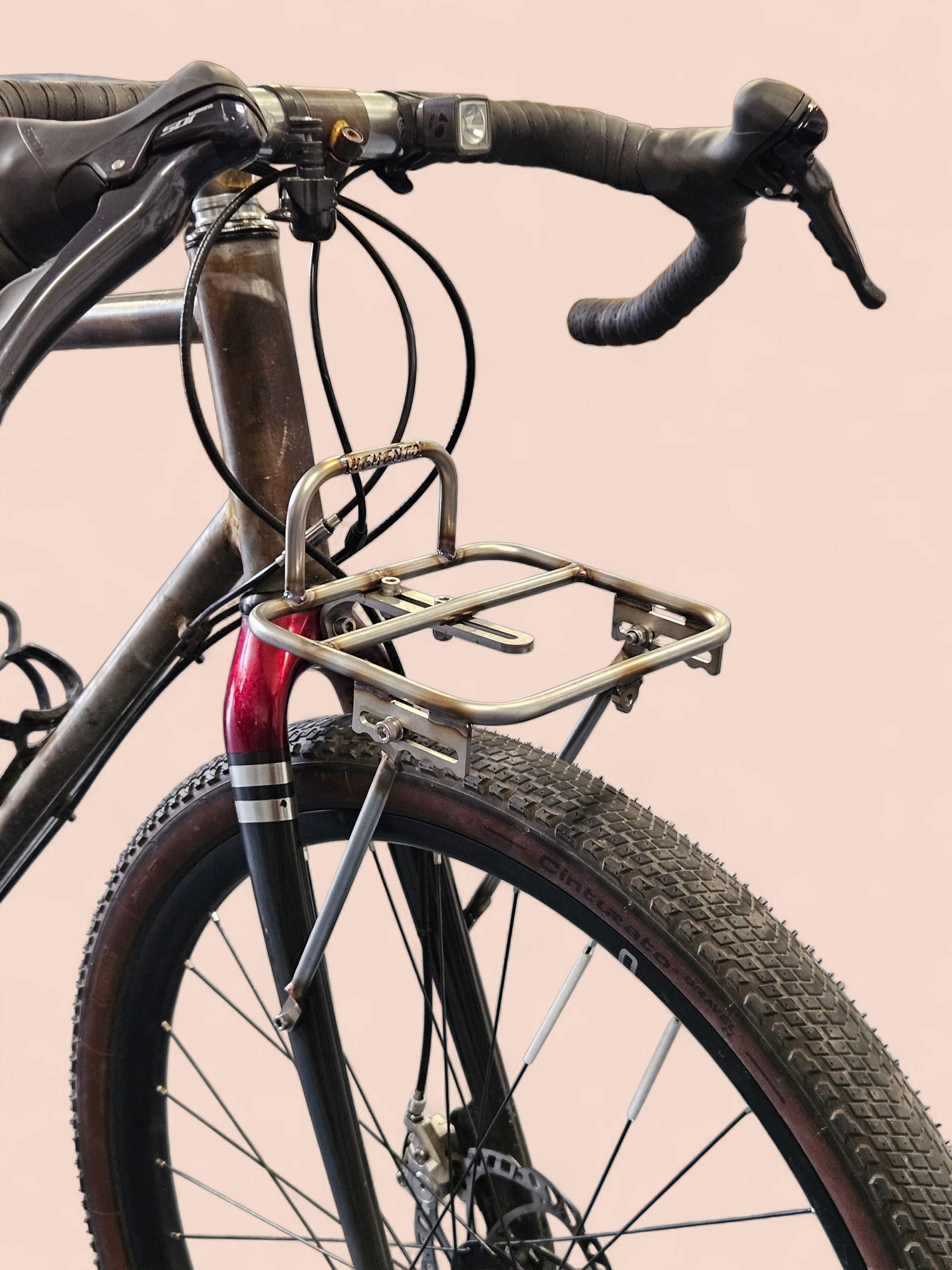
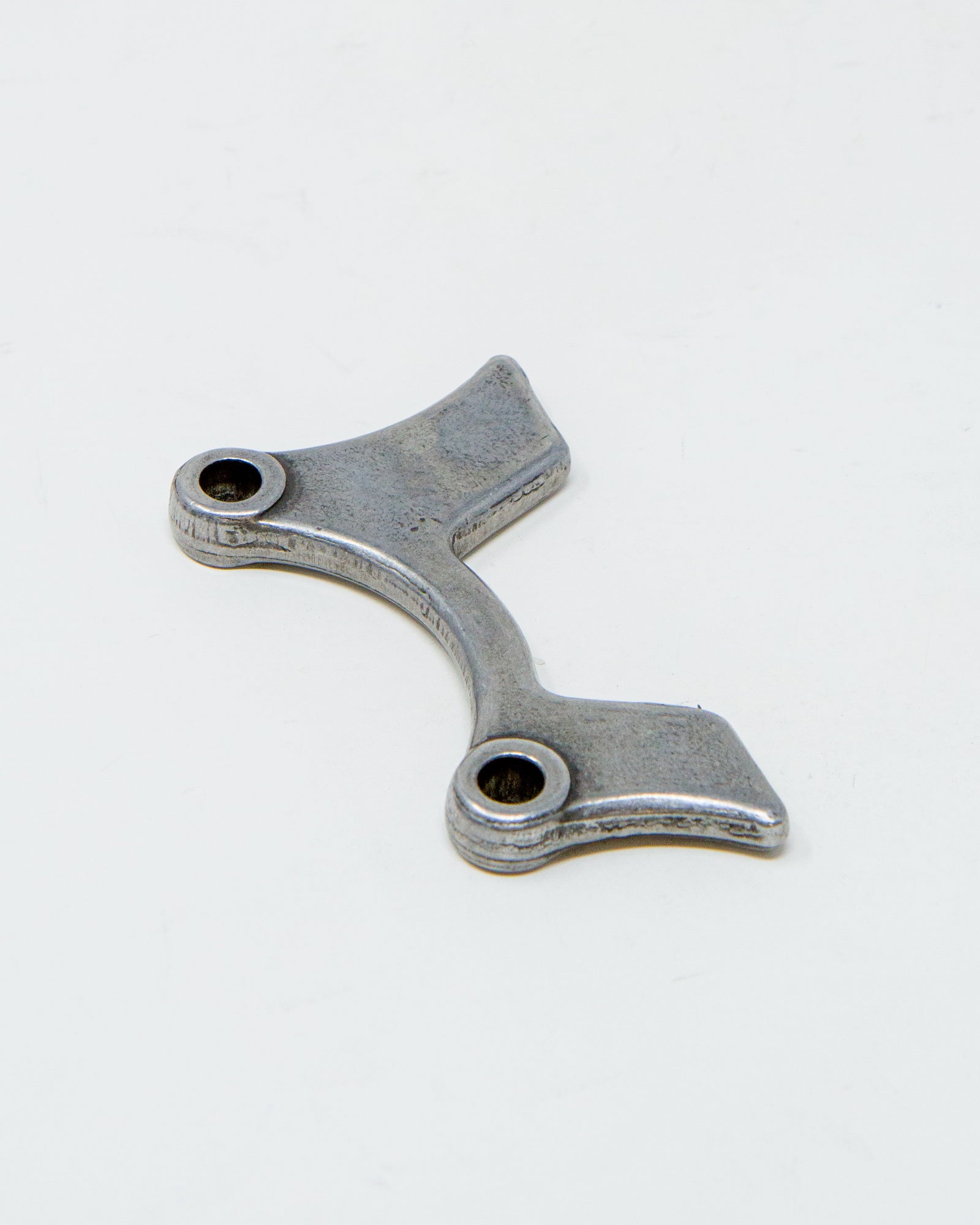
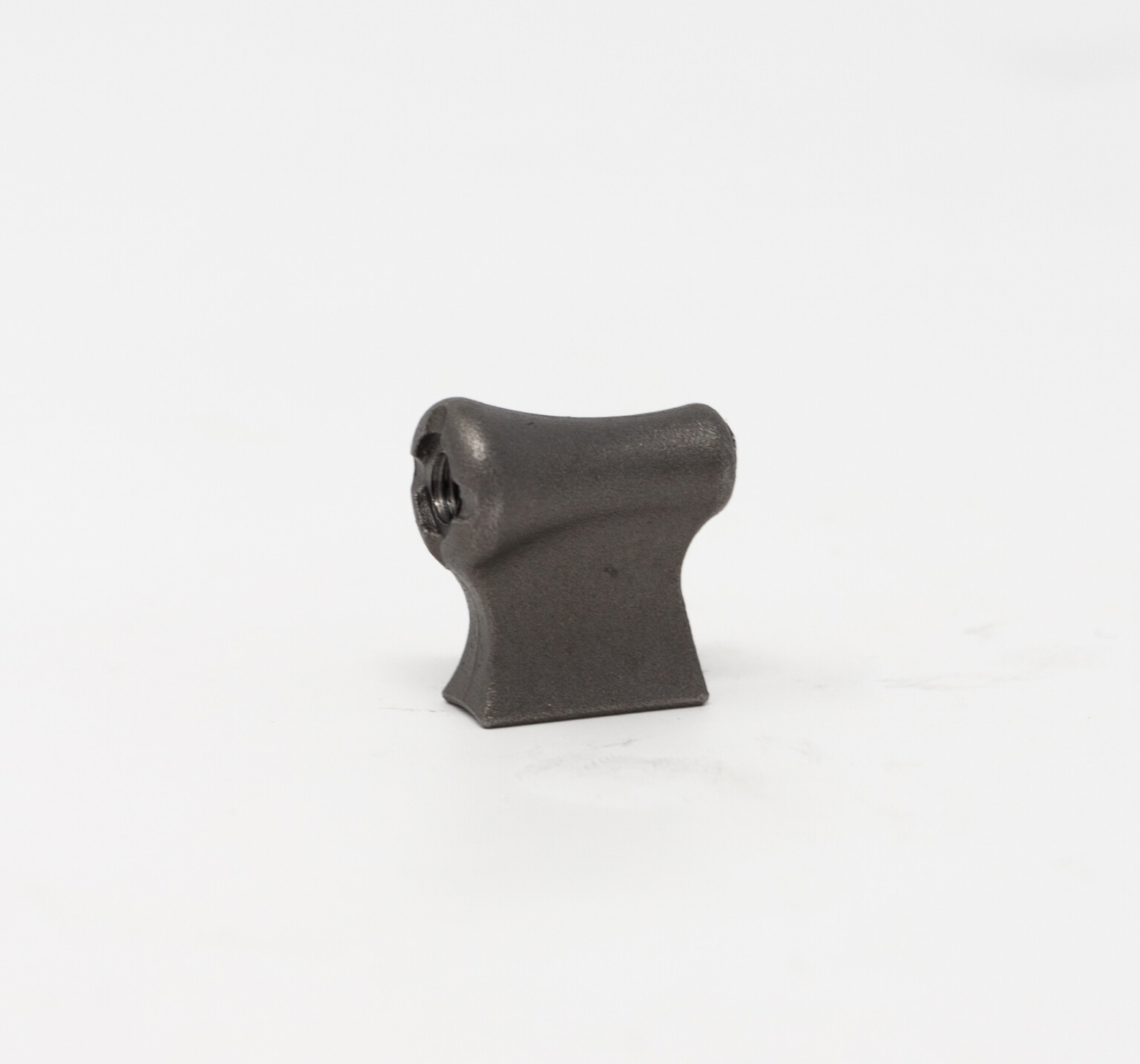
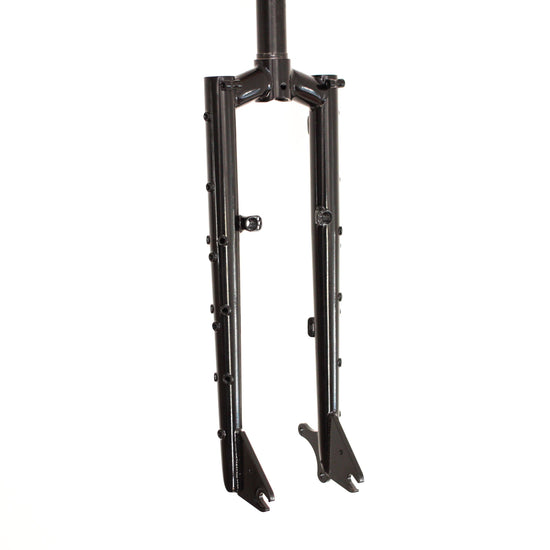
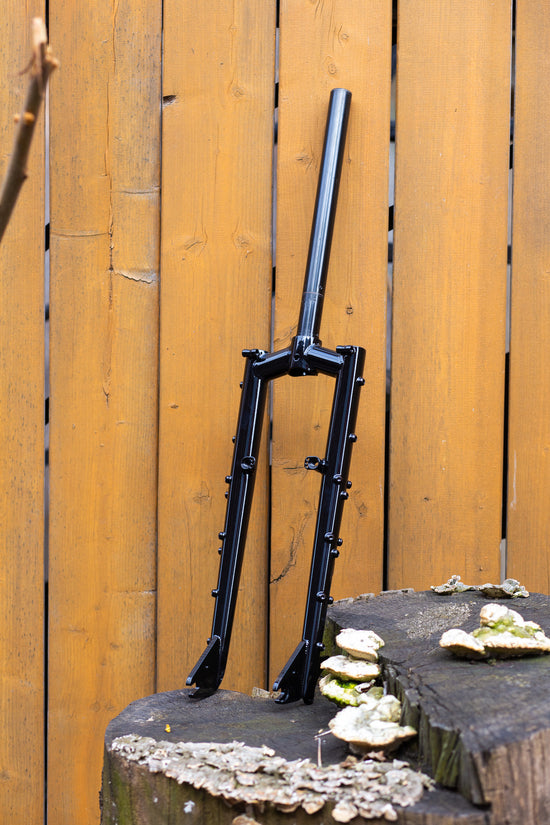
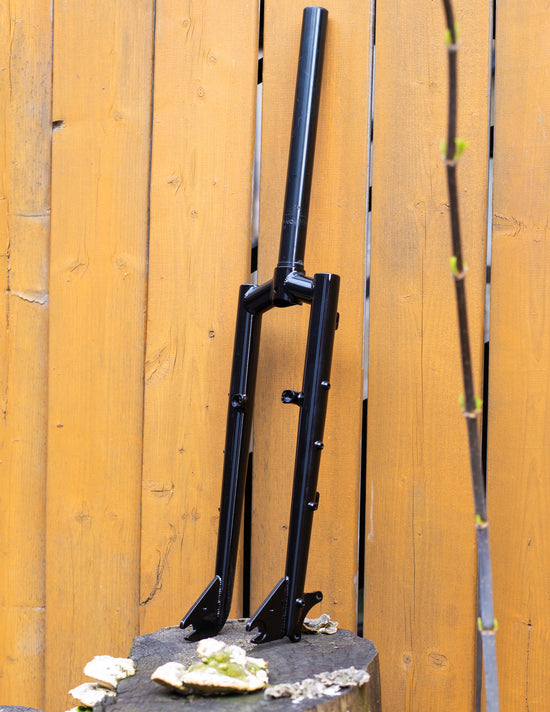
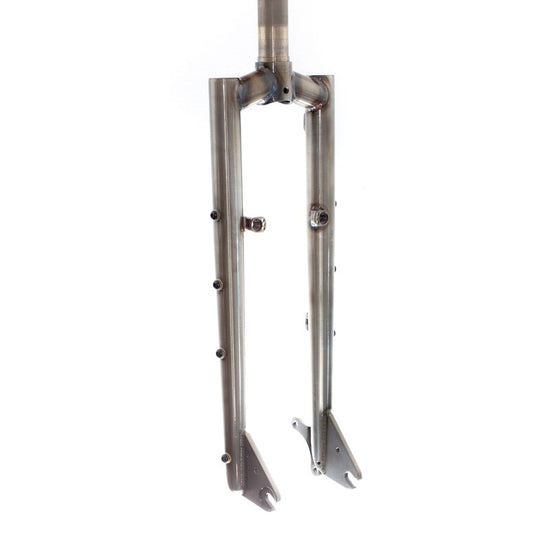
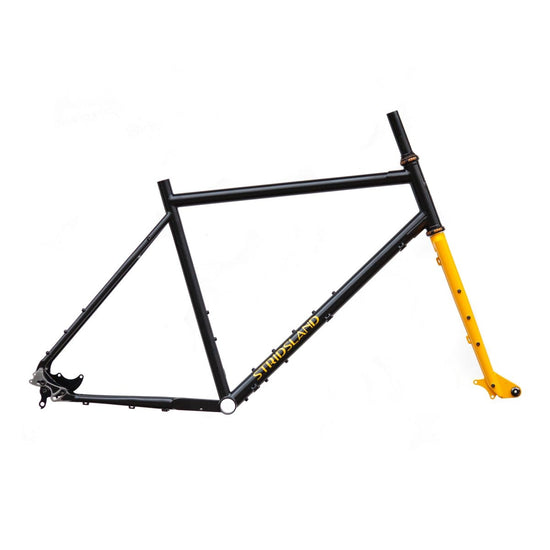
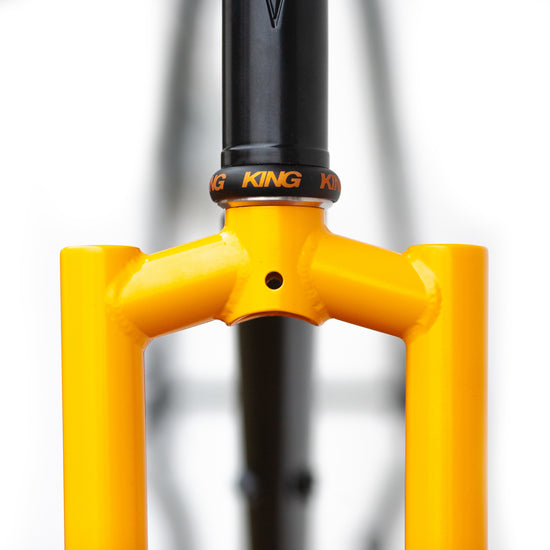
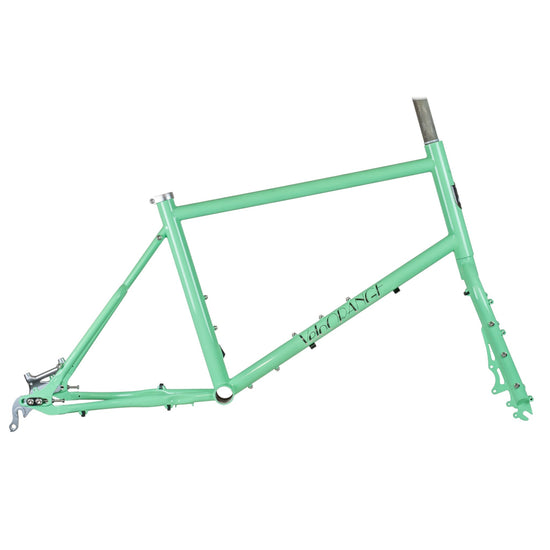
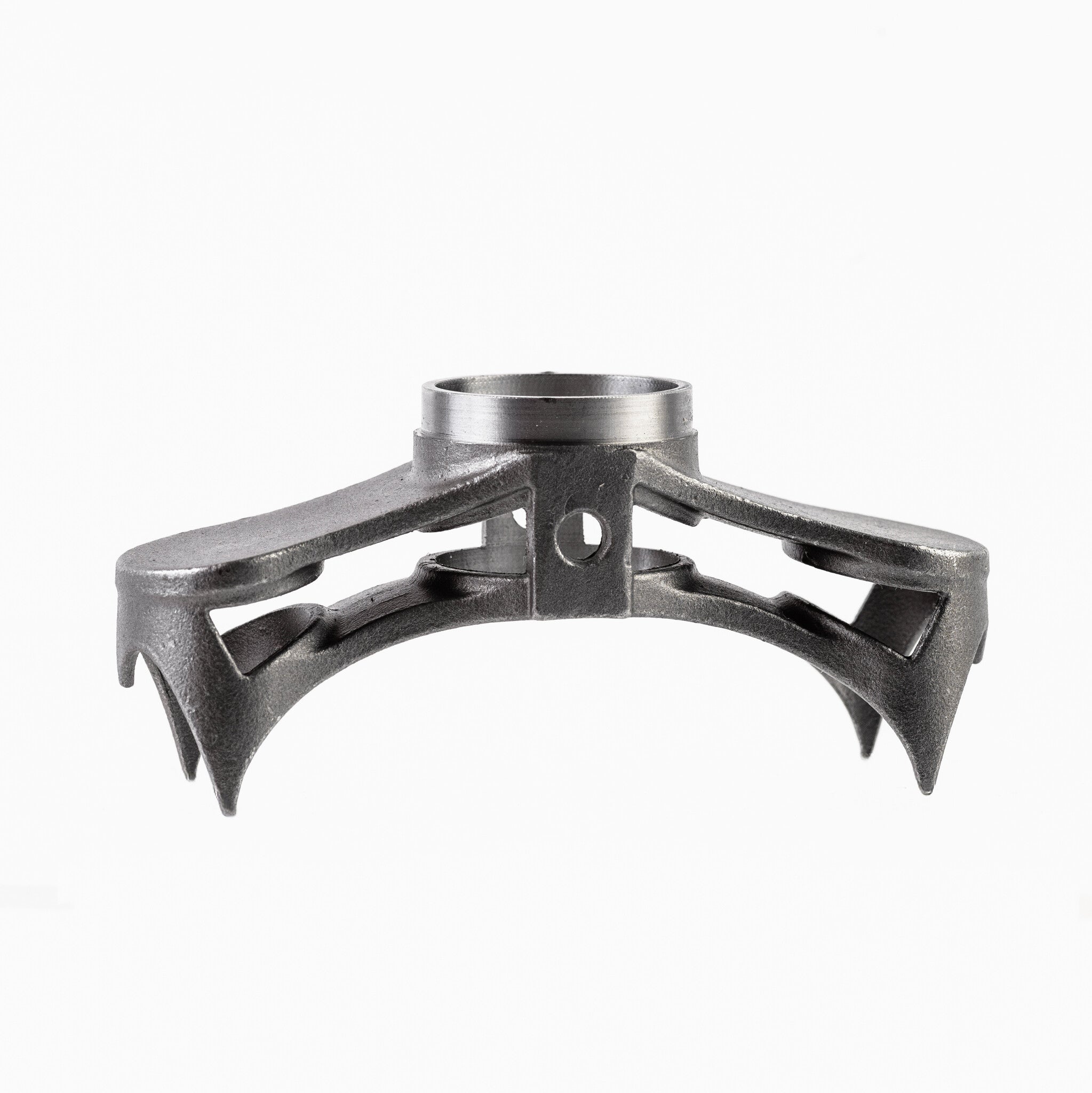
Running a small bicycle frame and parts brand is a lot of fun. Aside from combining my passion for bikes and at least half-justifying my decision to go to design school, working with Bassi means we can sometimes take on funkier projects I know would not be possible with many other brands or industries. Bassi is not only a business, it’s also a partnership with four owners including myself. While that might sound like a lot of cooks in the kitchen, we see eye-to-eye on many things and almost all big decisions are agreed upon unanimously. As a big credit to them, my partners have more often than not given me “carte-blanche” to do whatever I want, and have basically always greenlighted my new product ideas. When Julian and I went to the Taipei Cycle Show in 2023, we were excited to finally meet the folks at Allotec. Of course, Bassi has mostly used Allotec fork crowns, seat lugs and drop outs since our inception in 2009. After a short chat, the idea of making our own investment cast goods came up and they agreed. Gears immediately started turning! Of all the cast elements used in bike construction, fork crowns seemed like the most interesting area to start. On one hand they contribute so much to a bicycle’s silhouette and visual identity (it’s called a crown after all!) while also having pretty tight technical constraints within which to work. From steerer dimensions and fork blade shapes, to fender and tire clearances, strength tolerances, molding constraints, and so on. Shortly thereafter began the process of soul-searching, sketching, 3D-modelling, going back to sketching, back to modelling (this, a few times over), to eventually a 3D printed prototype before finalizing and validating the design with Allotec’s engineers. We initially wanted something for a (tentatively) upcoming revamp/revival of our archived road frame, the Casterino. The brief was to include clearance for wide(r) tires and it needed to look road-y, sporty, fast. Mocked with fork blades, a 48mm tire and Honjo H80 fenders The result is an airy and light biplane design with a touch of drama. The sloped shoulders, the arched bottom and pointed blade sockets are nods to gothic revival architecture which features heavily in some of Montreal’s best known landmarks. The upper plane has a forward offset to give the crown a sense of direction, movement and speed. Like a bird flapping its wings. It was inspired by some of our favourite fork crowns and features generous clearance for tires realistically up to about 50mm. In an era of carbon and 3D-printed metal, lost wax investment casting is still such an impressive way to make things. Here’s a look at how it works, courtesy of Daniel Yang from Artefact. Our fork crown, as minimal as it is and at a mere 139 grams, still exceeds stringent ISO testing requirements. Moreover, once the mold is paid for, the cost of production is impressively low. With Allotec’s manufacturing approval, they also provided the quote for making the mold and producing the crown. Now, at that time, we were barely starting to carry framebuilding supplies. If you know what we do here at C&L / Bassi, you know we have many irons in the fire, as it were, basically all the time. A quick calculation of the amount of lugs we’d have to sell to a very specific and niche market in order to break-even made us flinch. We had a lot of other exciting projects on the way that couldn't all be done at once, choices had to be made. Luckily, in the same email detailing the production costs, Allotec offered to make the mold for free (!) if we agreed to them making the crown available in their catalogue to all their dealers. After much discussion, we decided to play it safe. In contradiction to what it means to be a designer we ultimately "gave" Allotec our design and thus agreed to dissociate our name from our creation. I must admit, it was a little painful when I first started noticing “our” fork crown pop up in my Instagram feed. Framebuilders from all over the world quickly started using and highlighting this new, anonymous Allotec offering. After some time though, I flipped my thinking: “Wait, framebuilders from all over the world are using the crown, including Brian frickin’ Chapman!” It now warms my heart to see the little crown I spent so many hours staring at and pondering be appreciated by people I admire. Machined for 1" and 1-1/8" steerers. Being a small brand usually requires never skipping an opportunity to advertise your name, but sometimes you have to let some ambitions go. In my view, having this crown out there, albeit without our name on it, is better for our mission of promoting classic steel bicycle design and manufacturing than letting it die in my sketchbook. So spare us a thought the next time you see an Allotec A32 out in the wild! For framebuilders keen on using one, they're available here! Studio shots by Troy.
Best of Bassi 2025
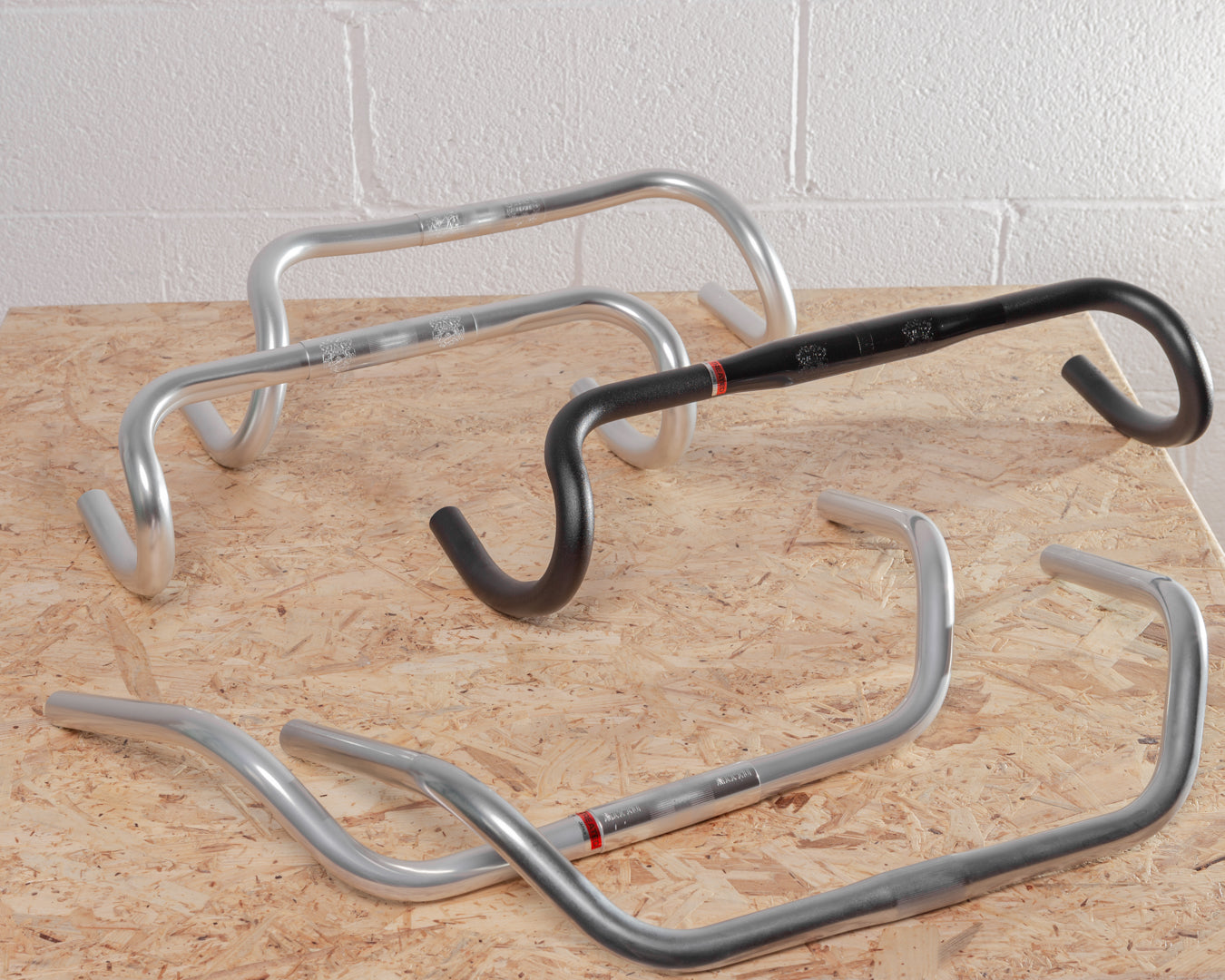
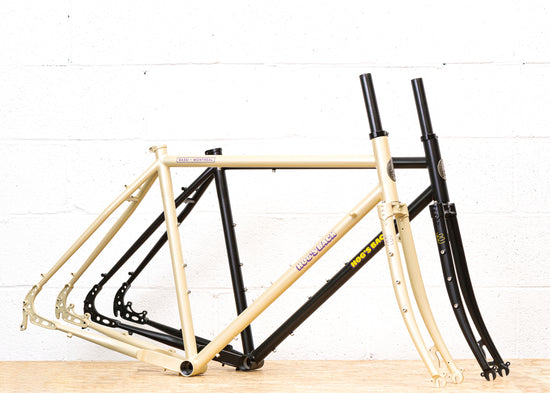
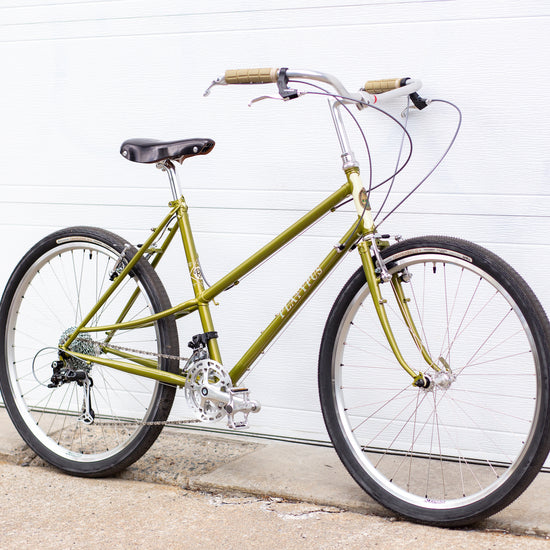
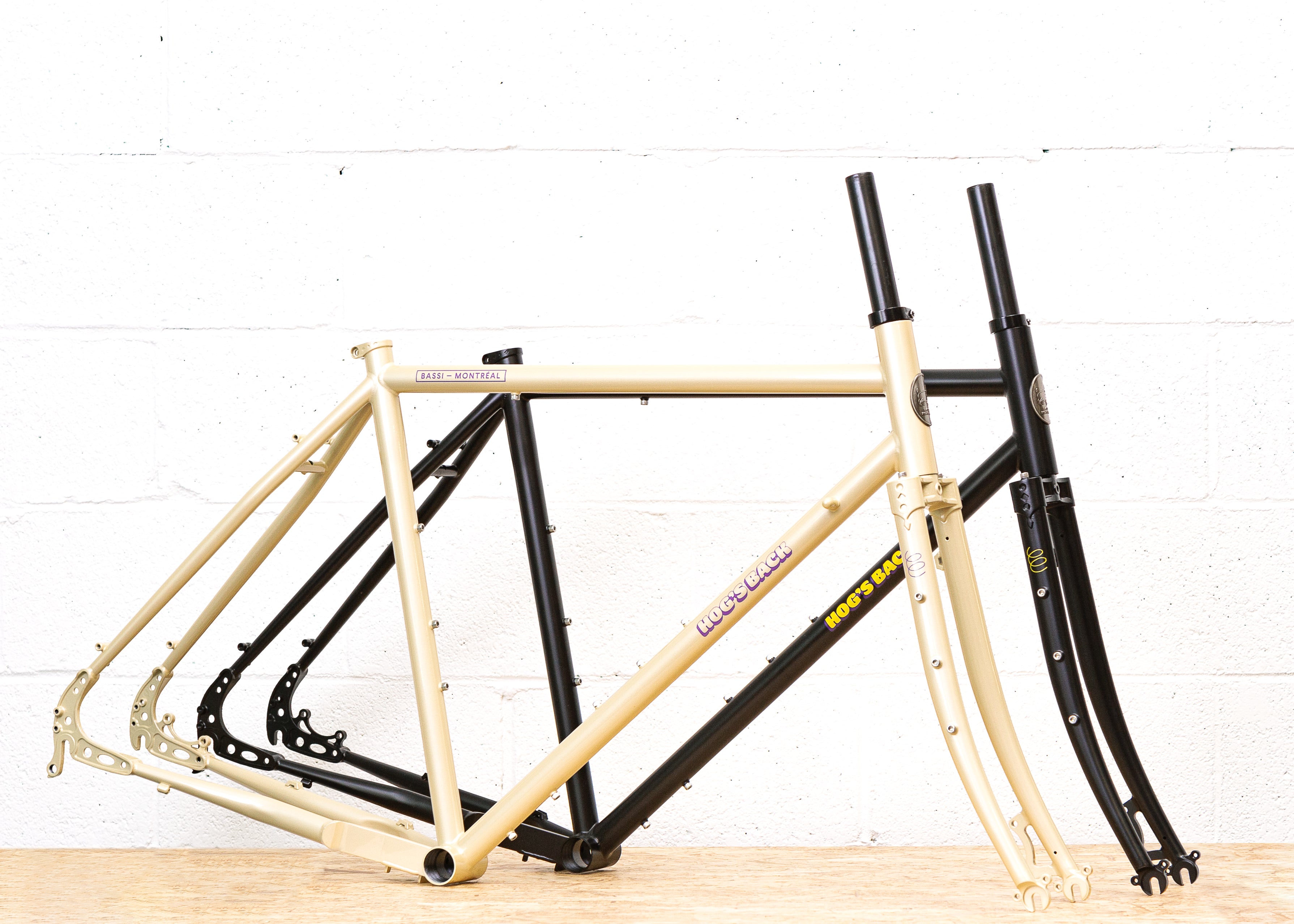
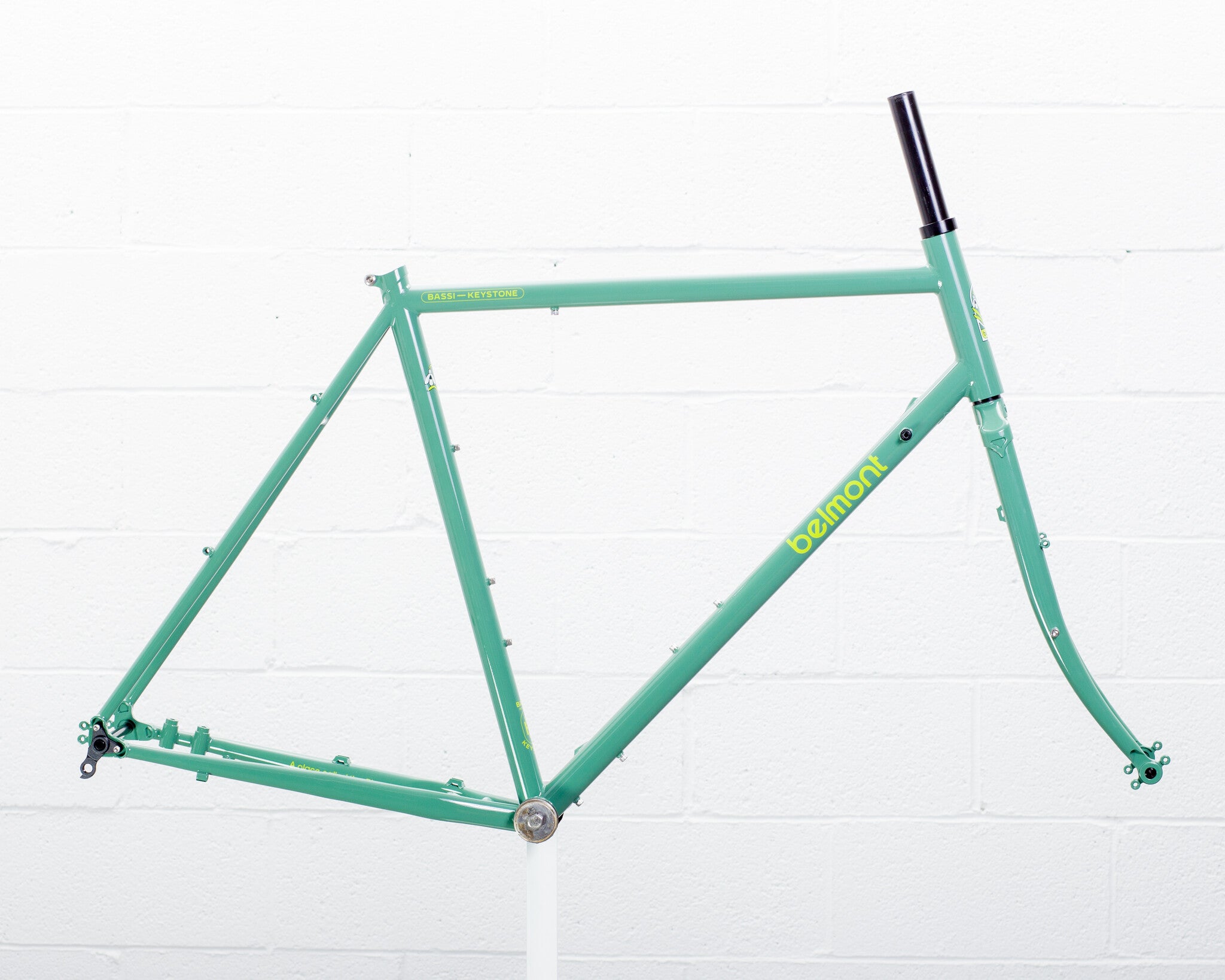
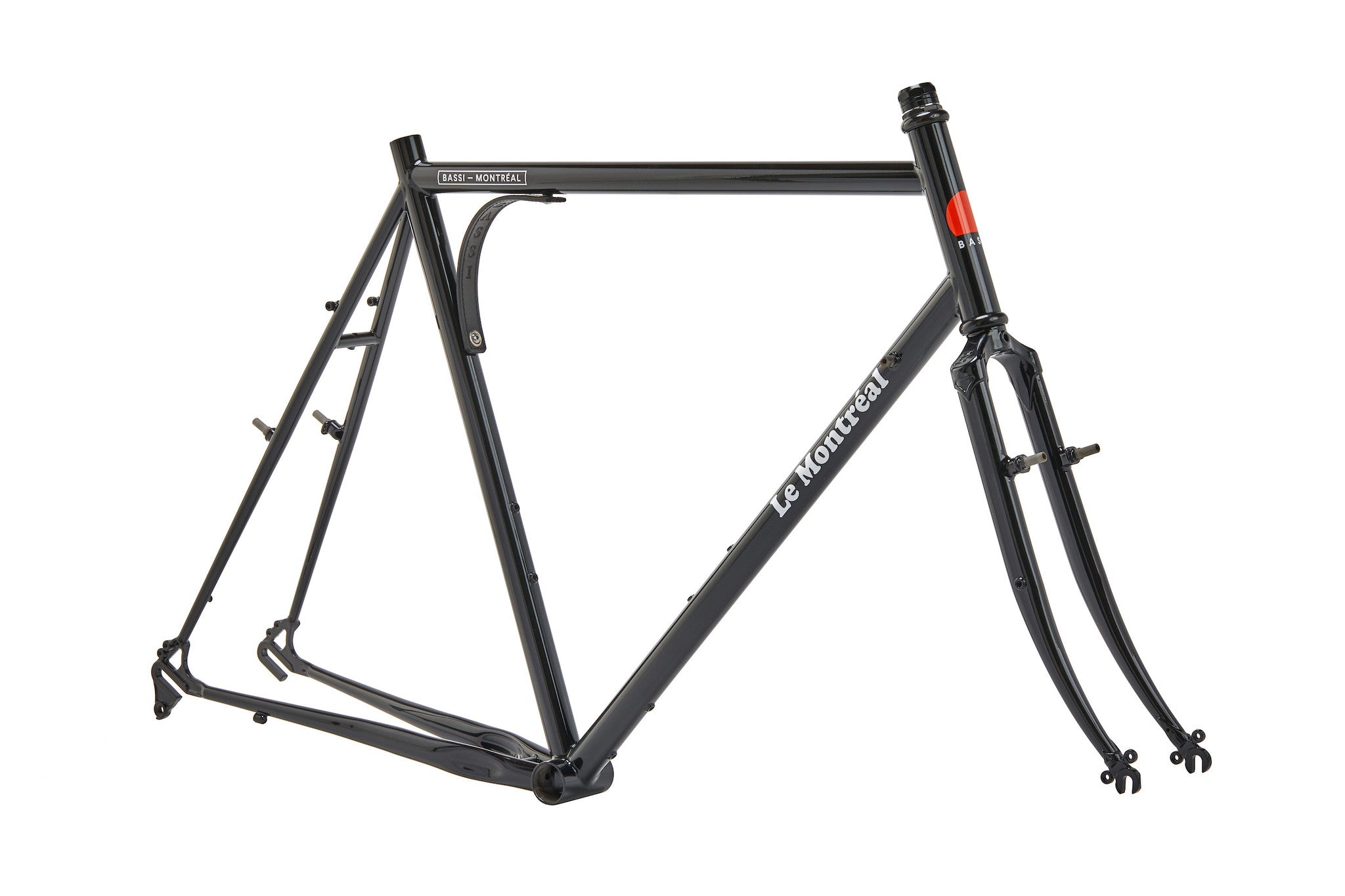
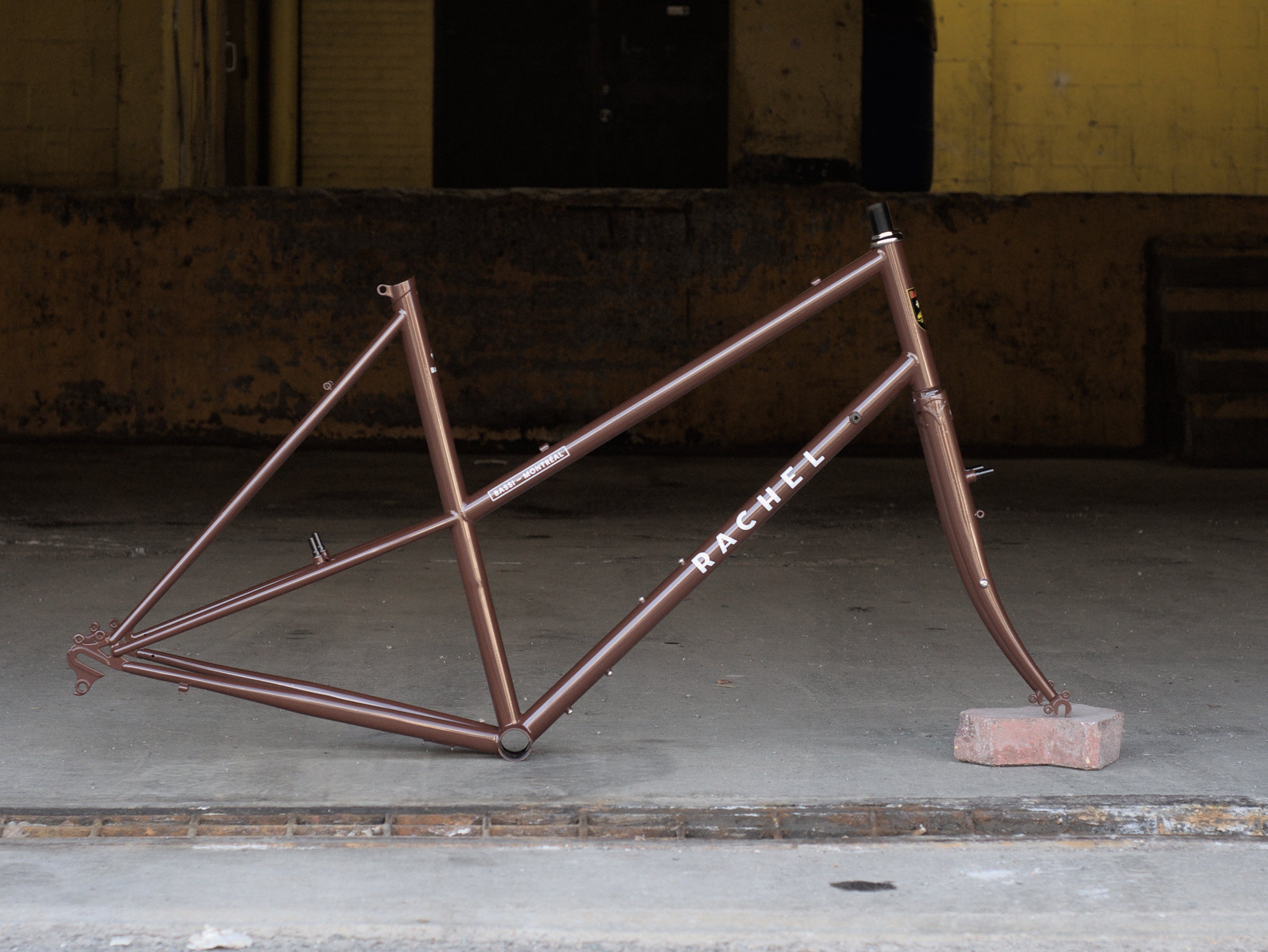
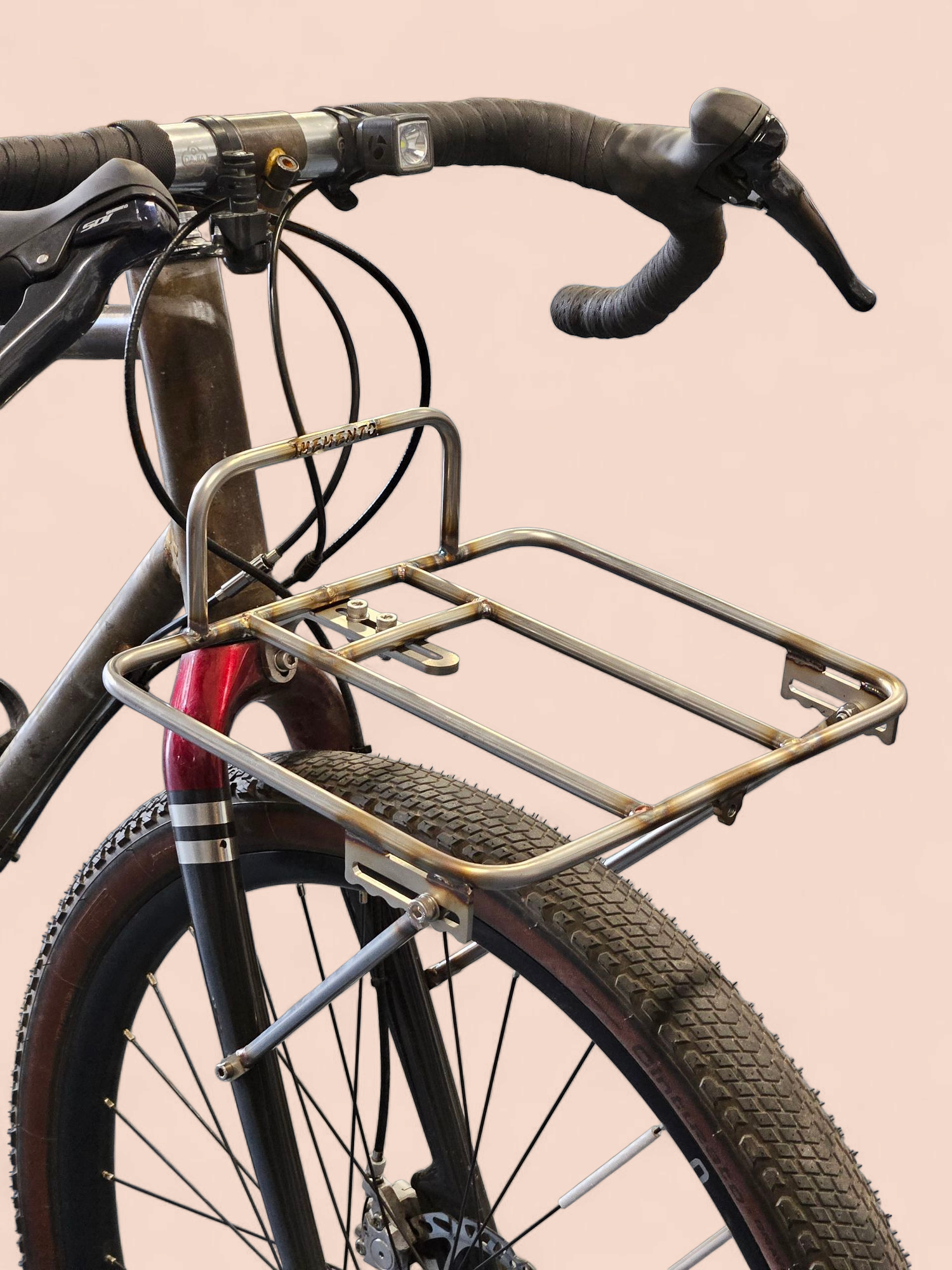
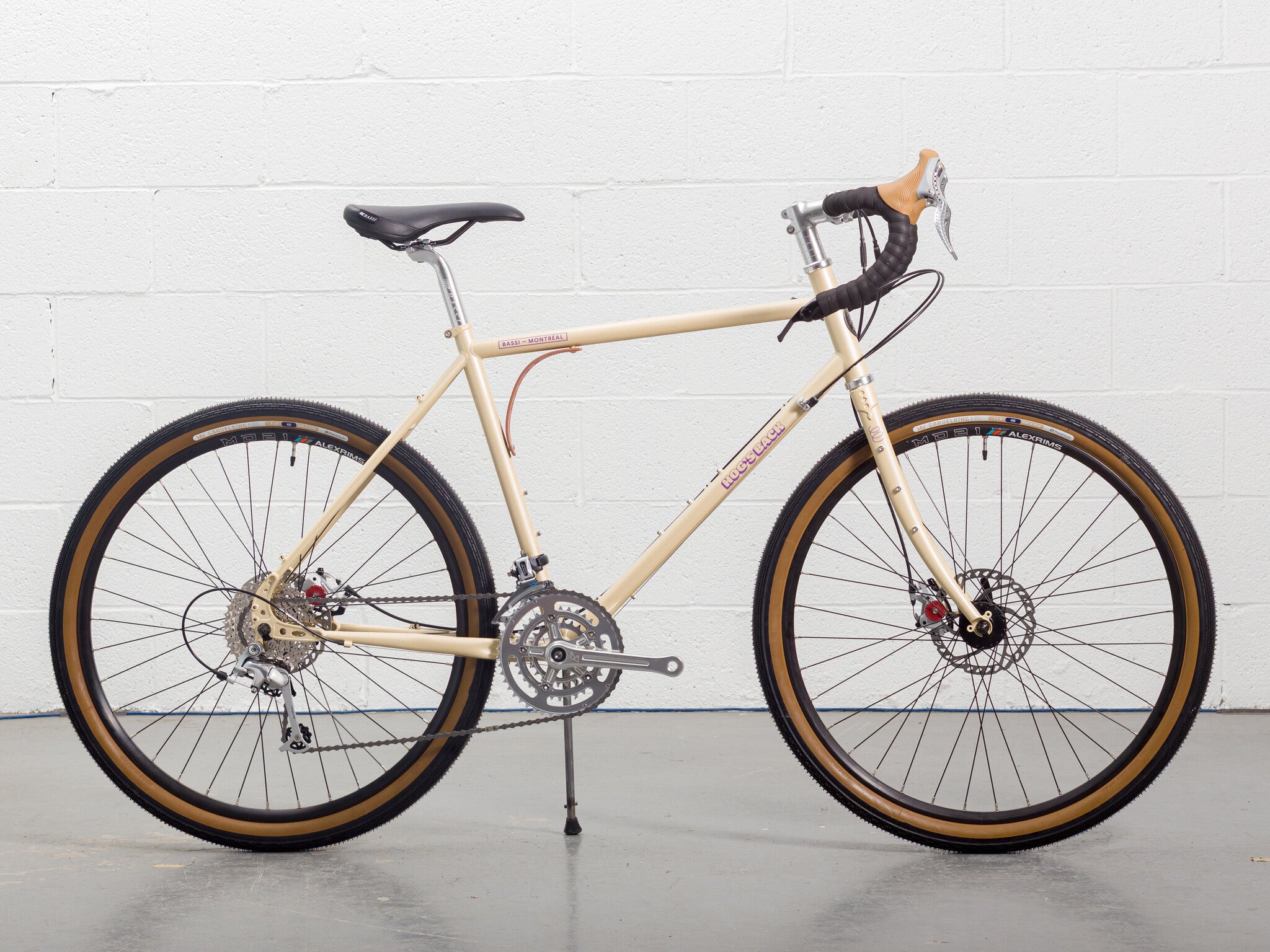
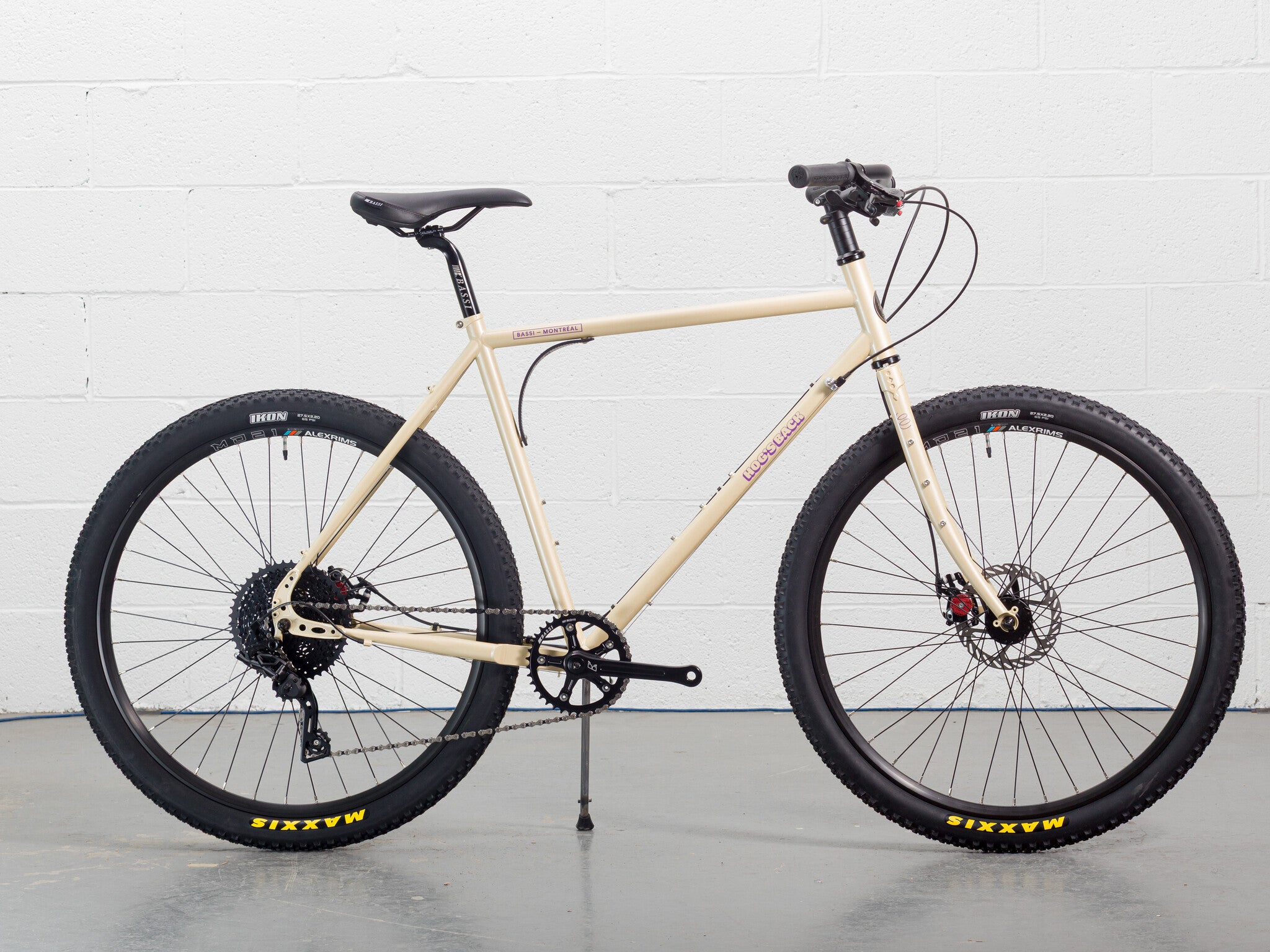
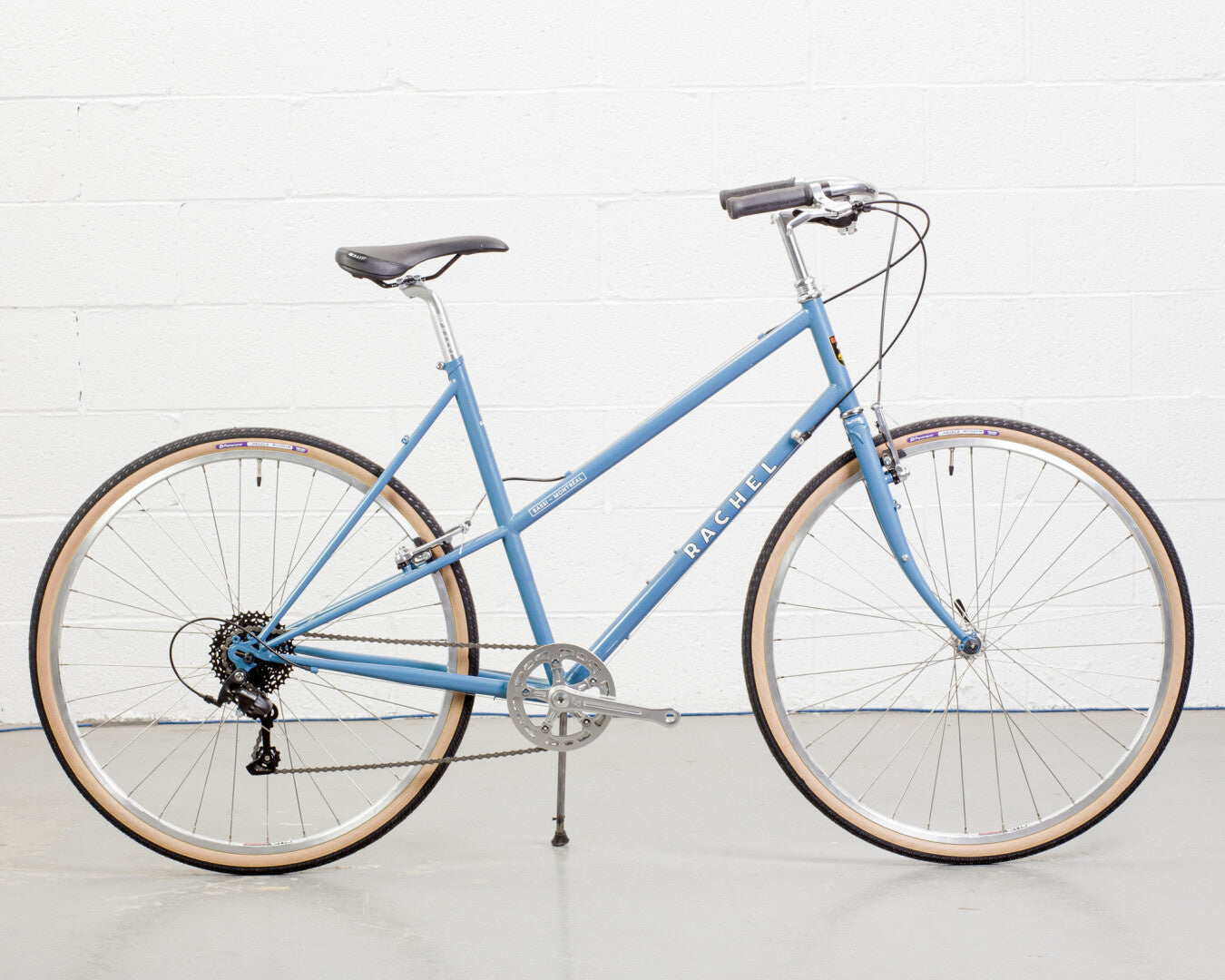
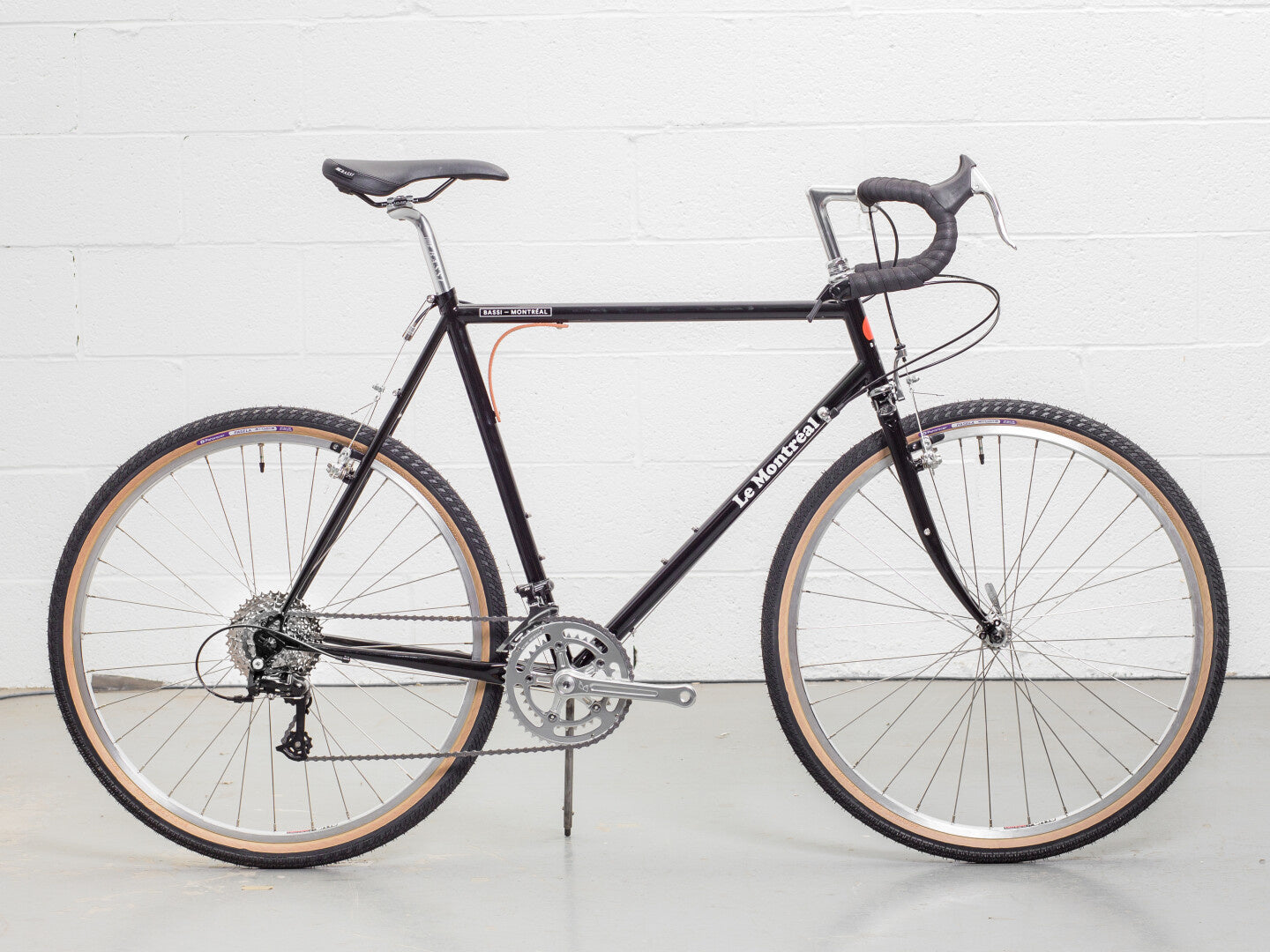
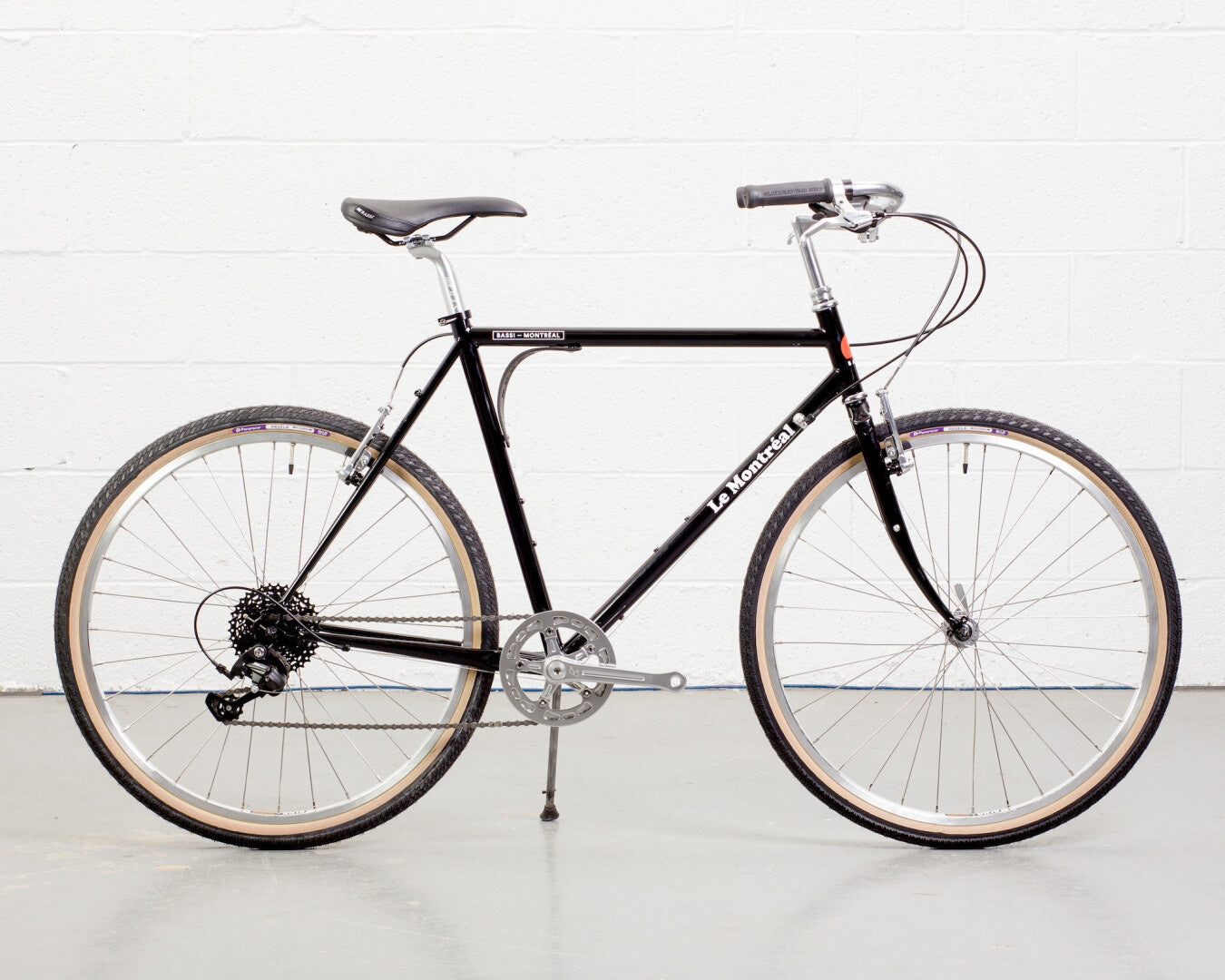
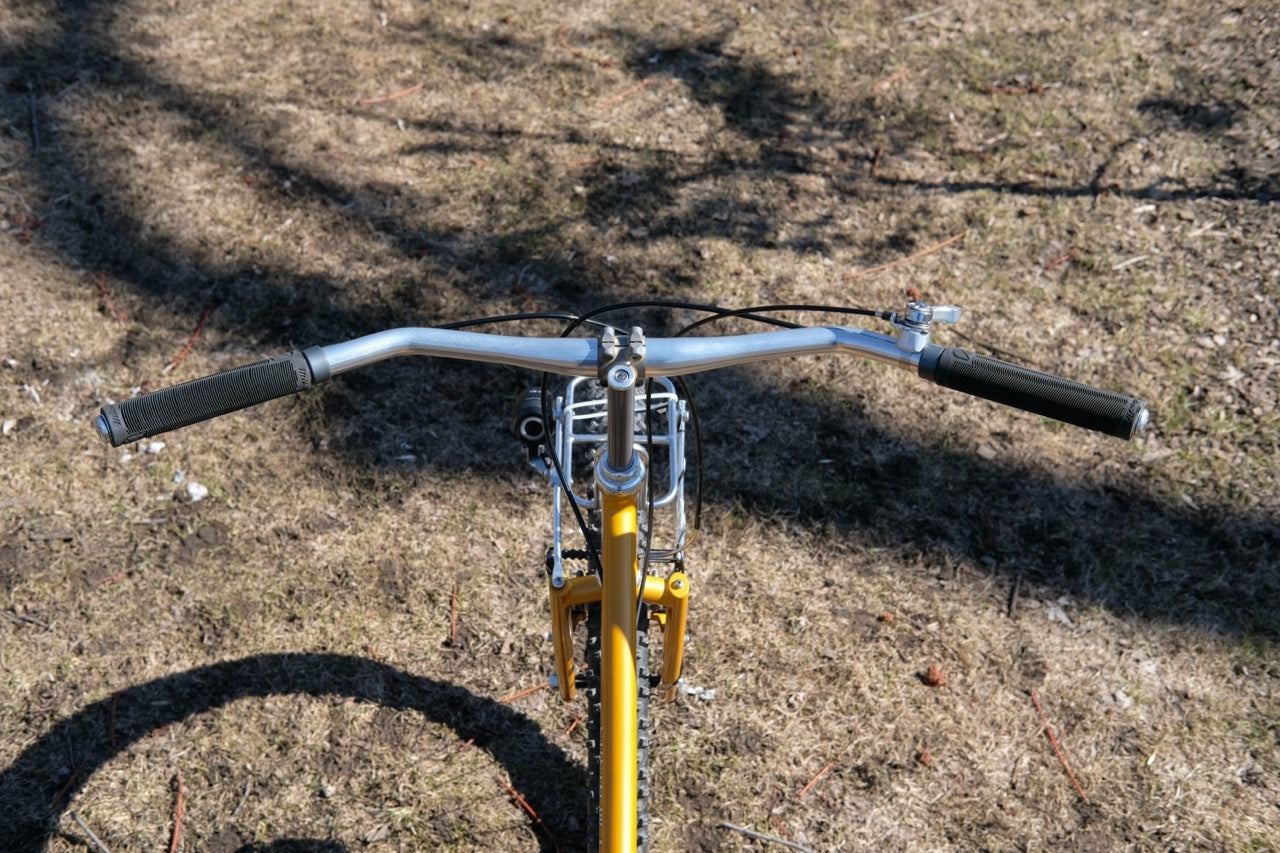
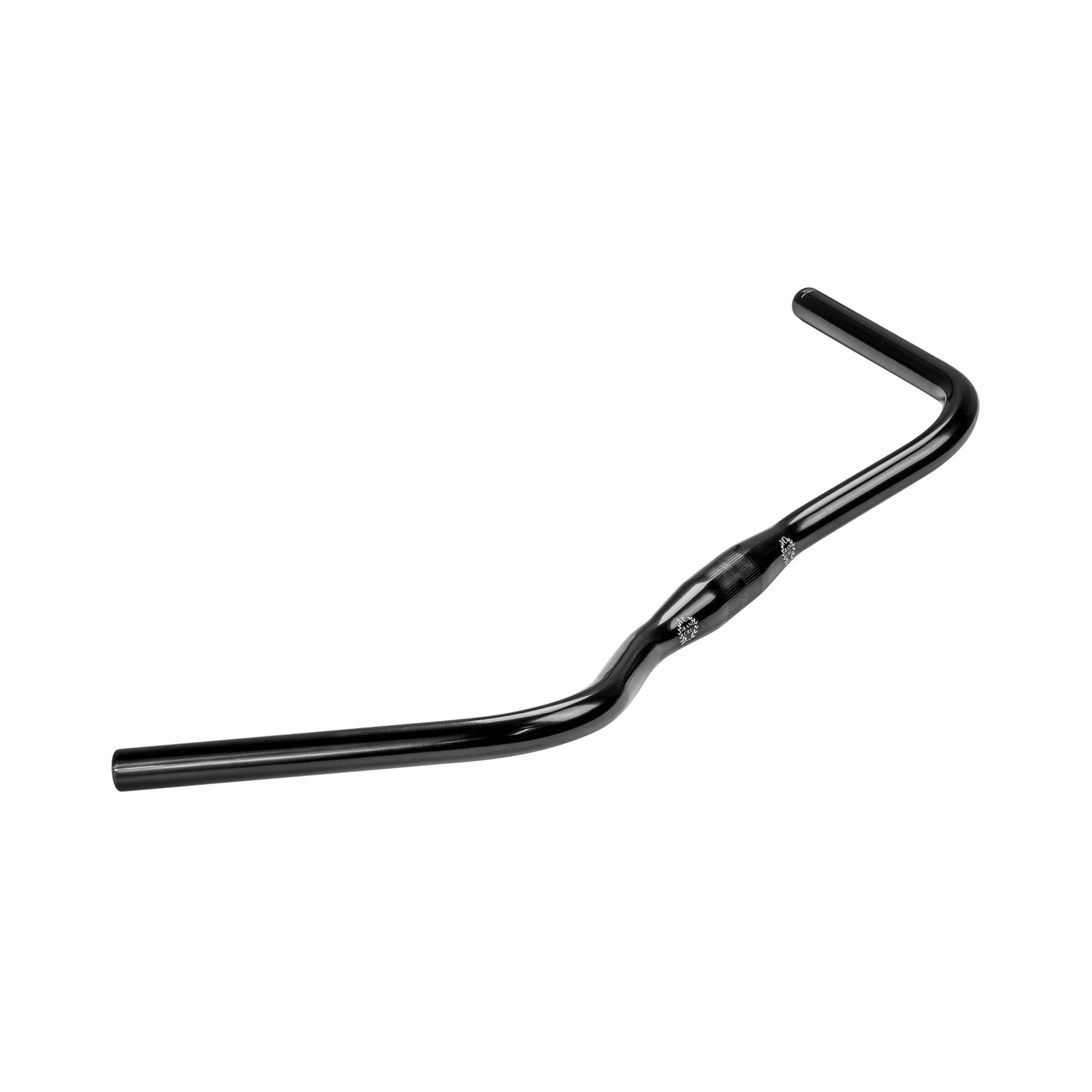
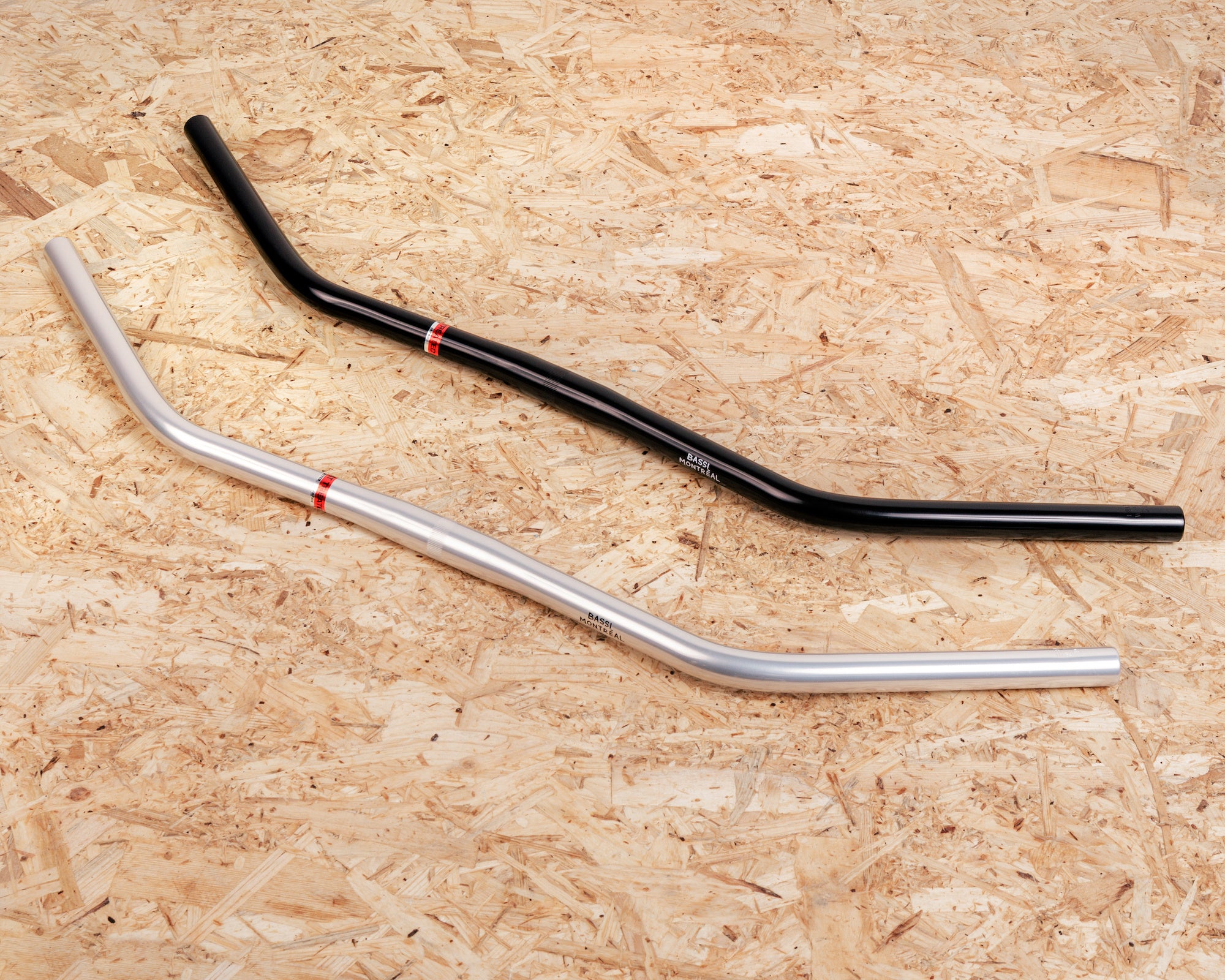
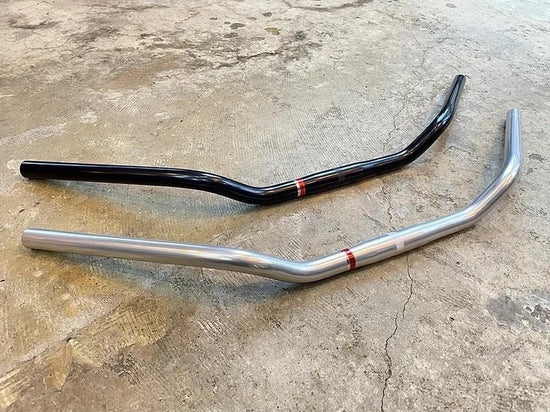
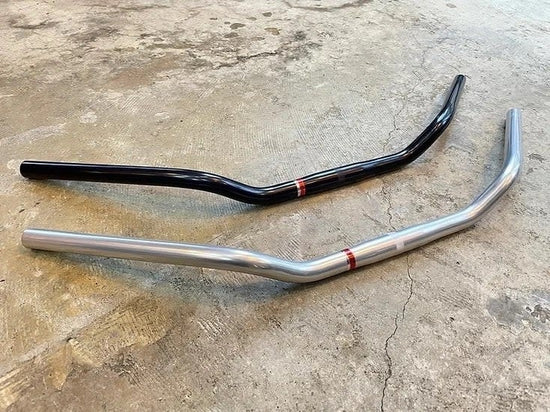
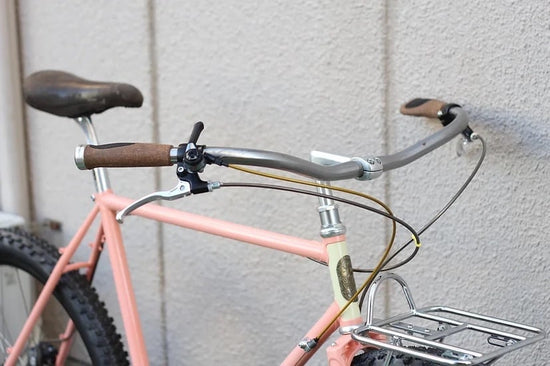
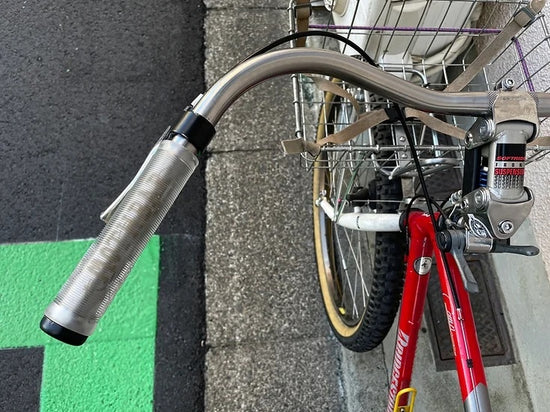
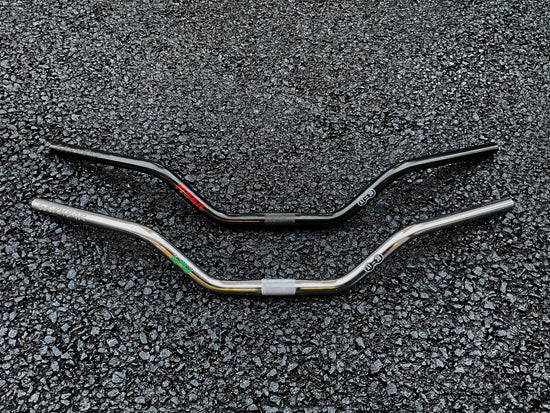
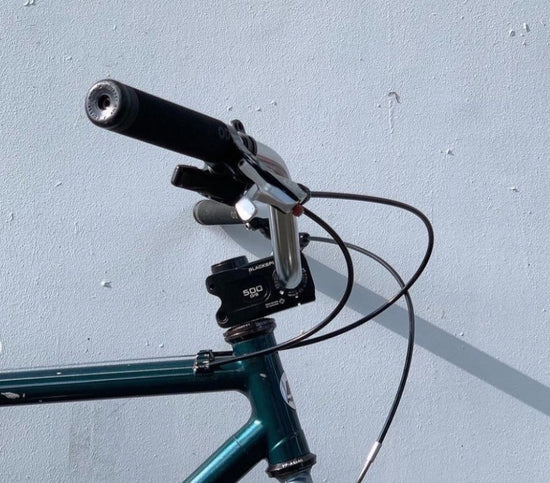
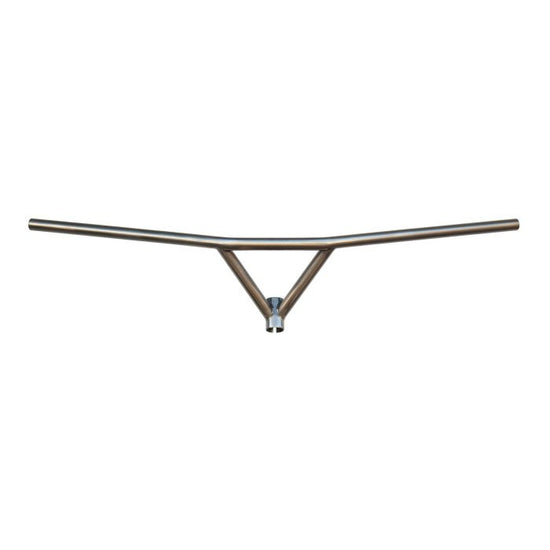
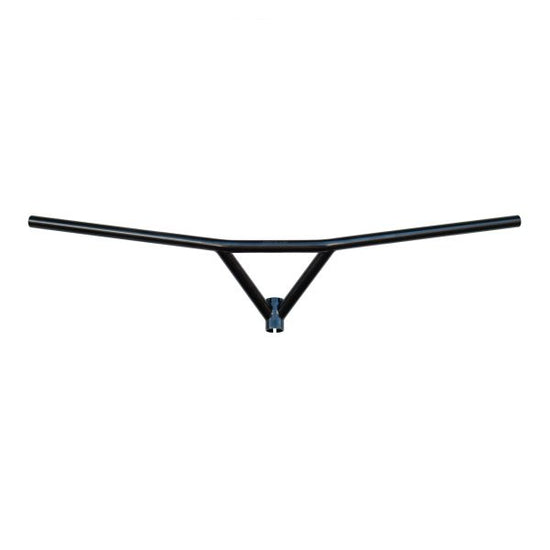
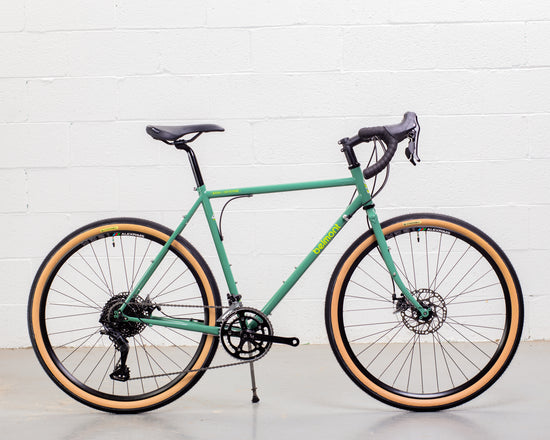
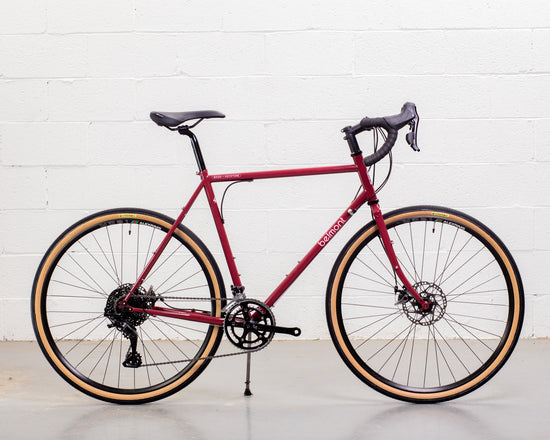
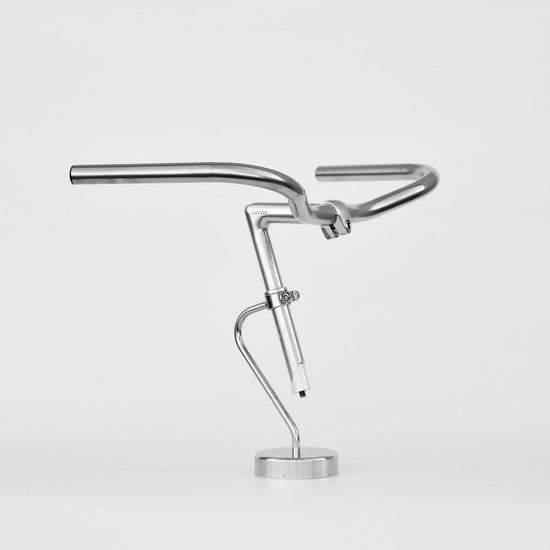
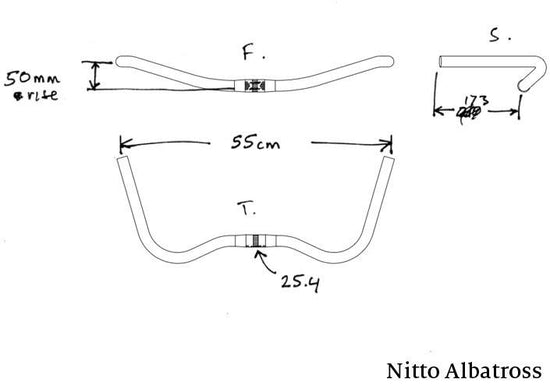
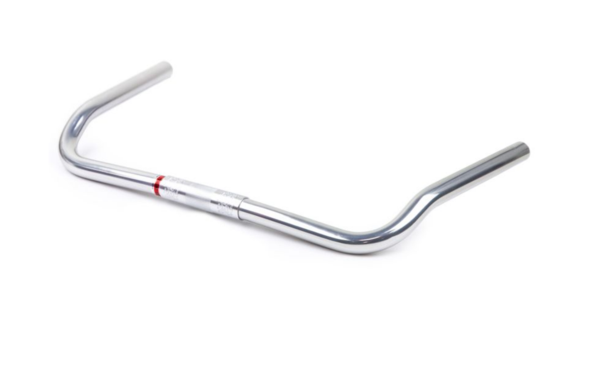
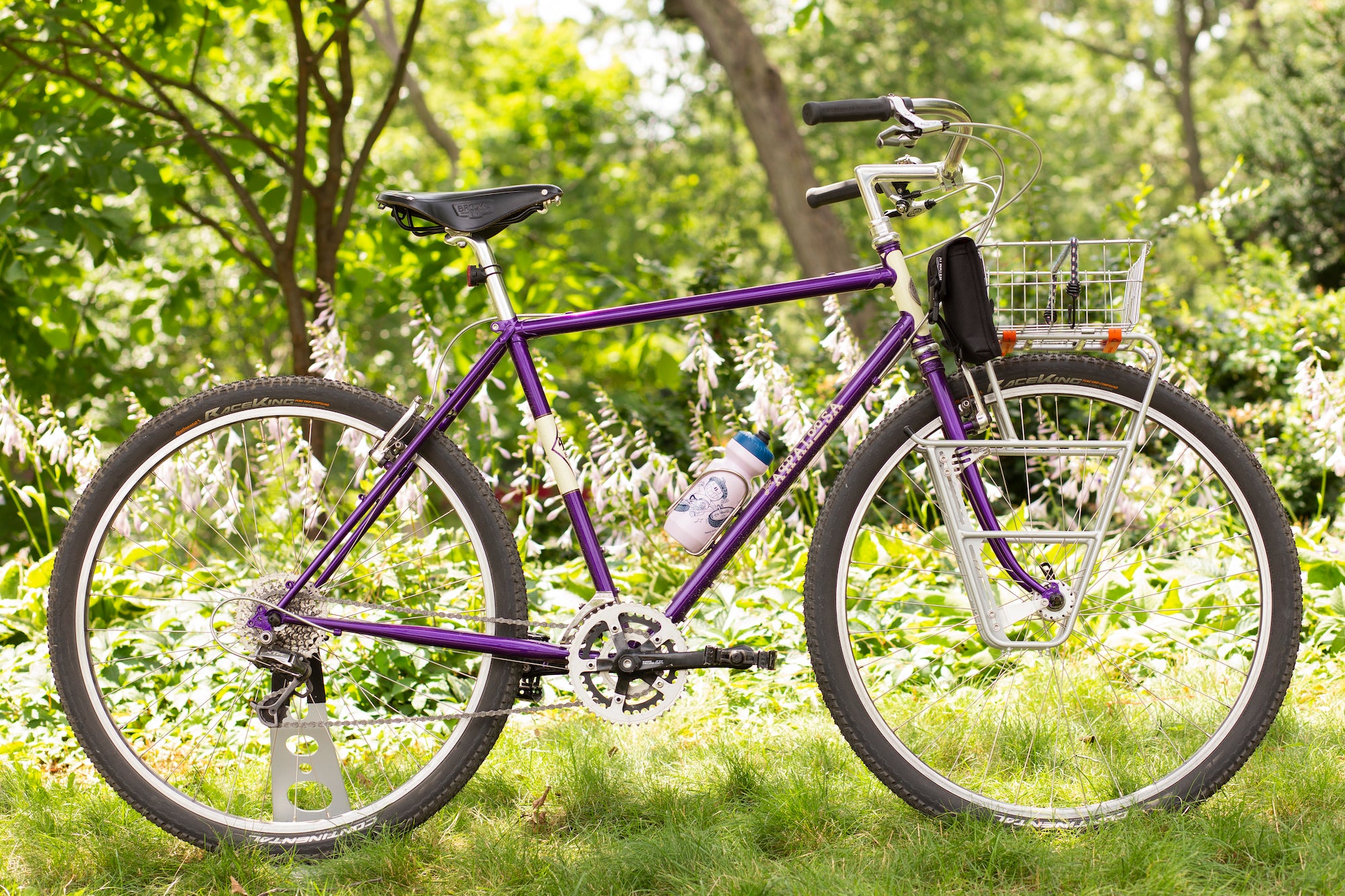
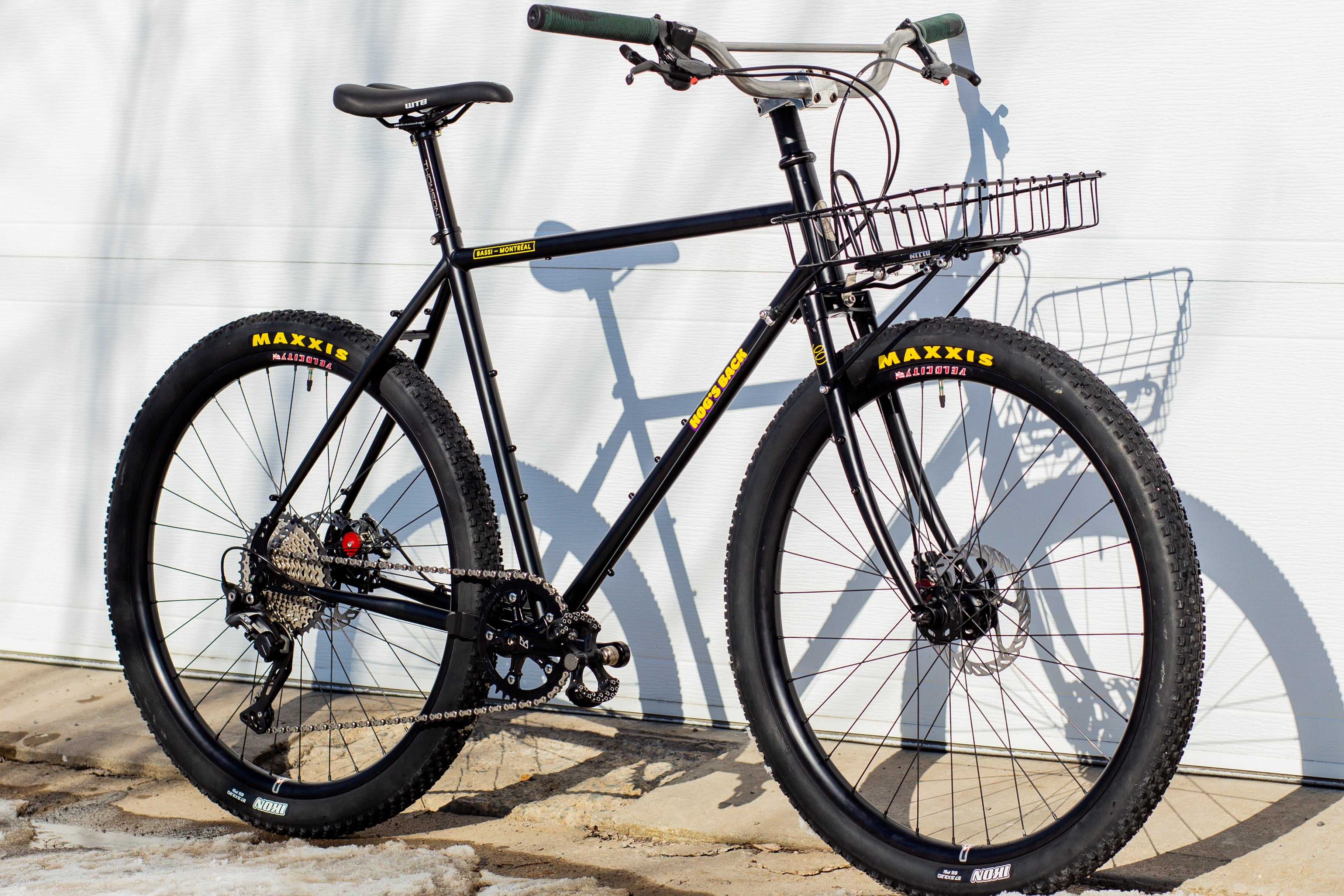
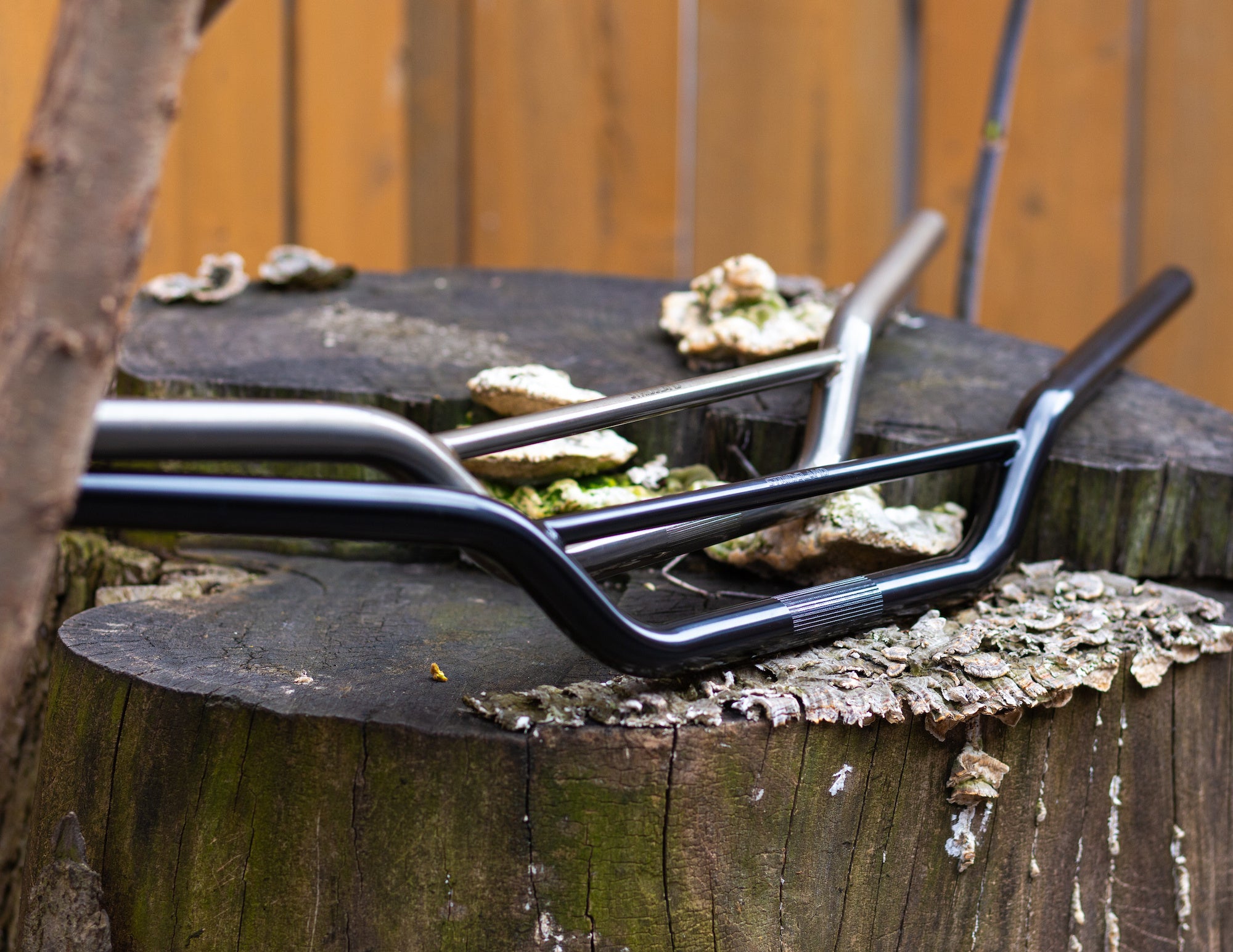
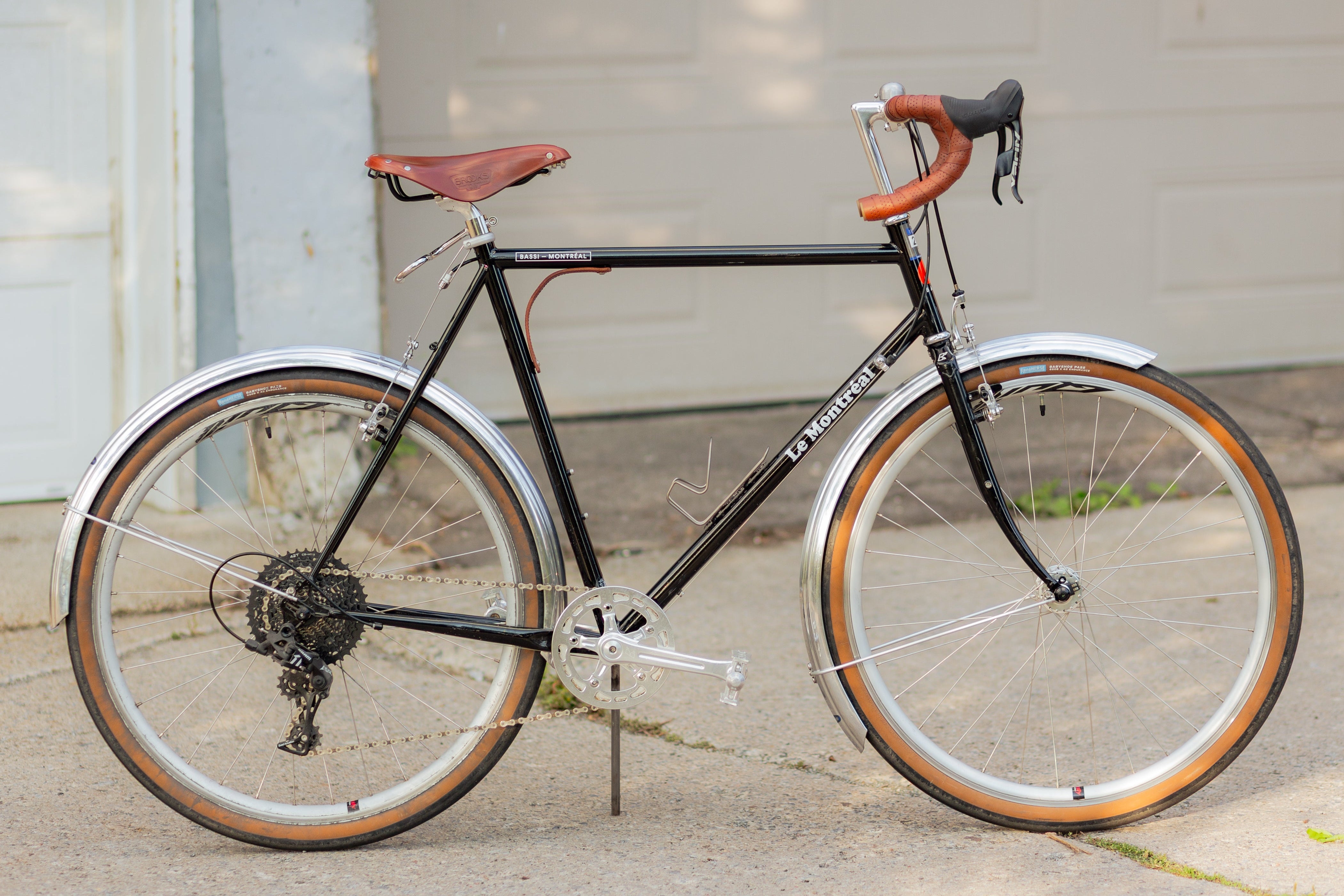
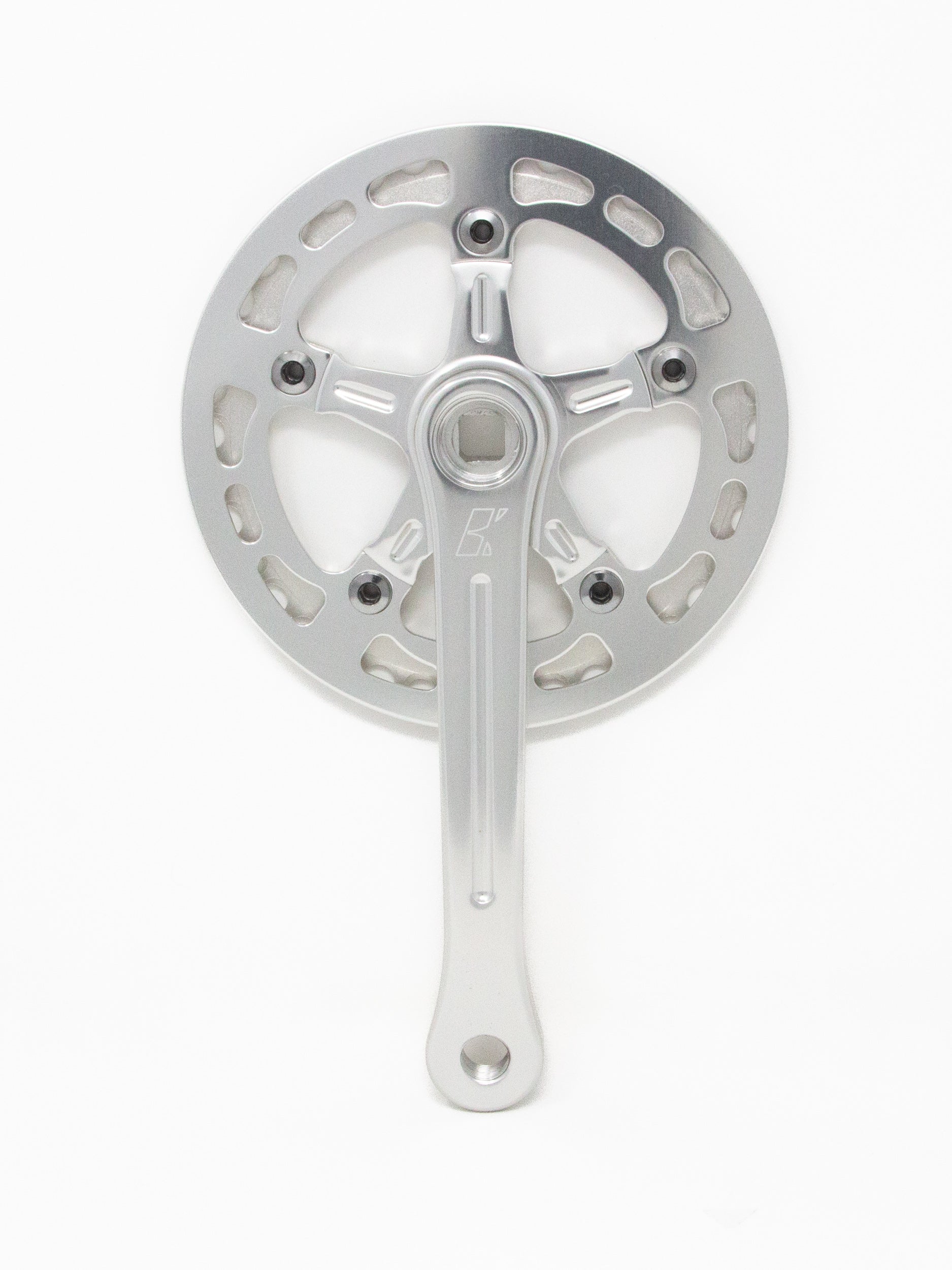
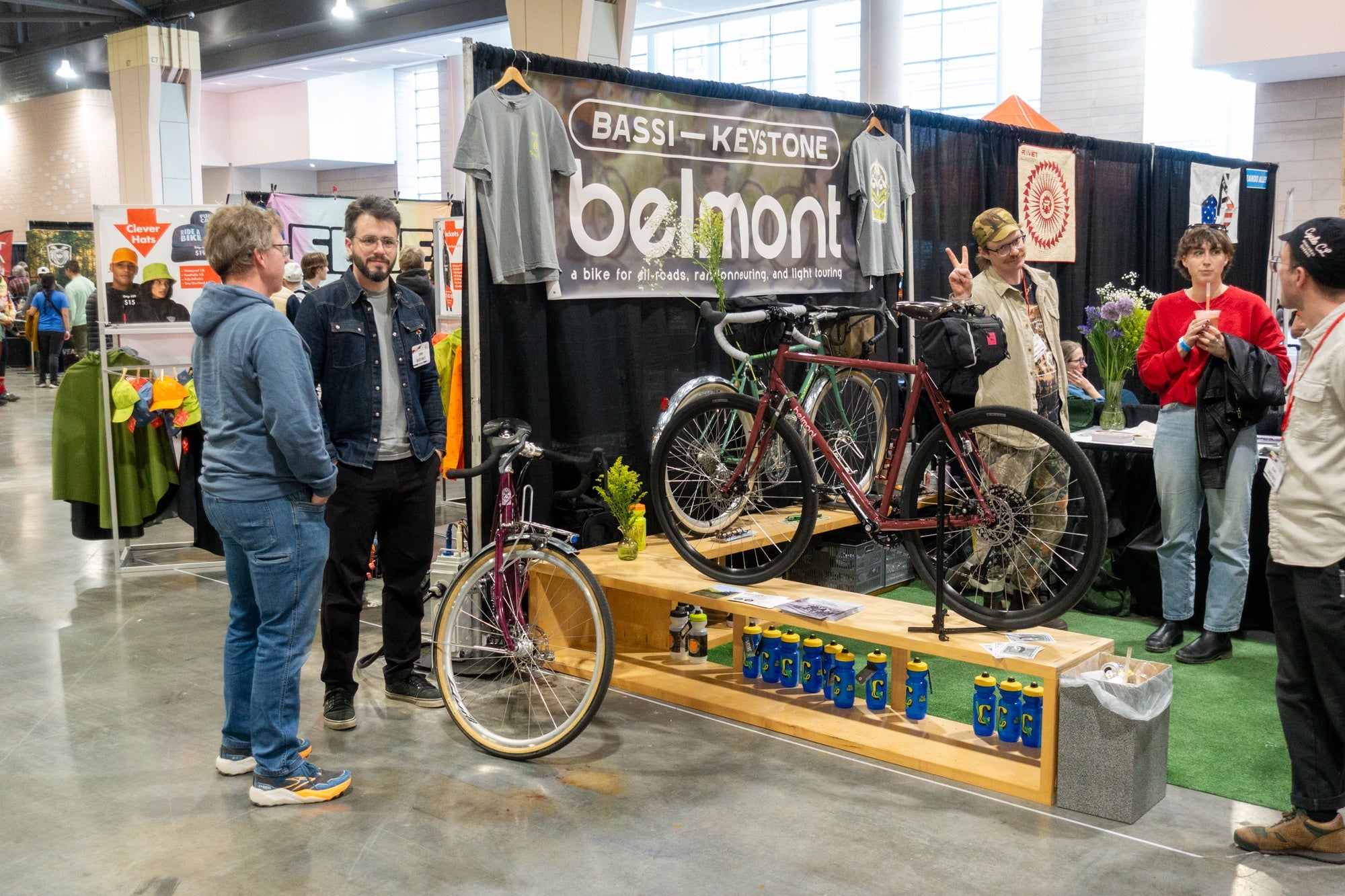
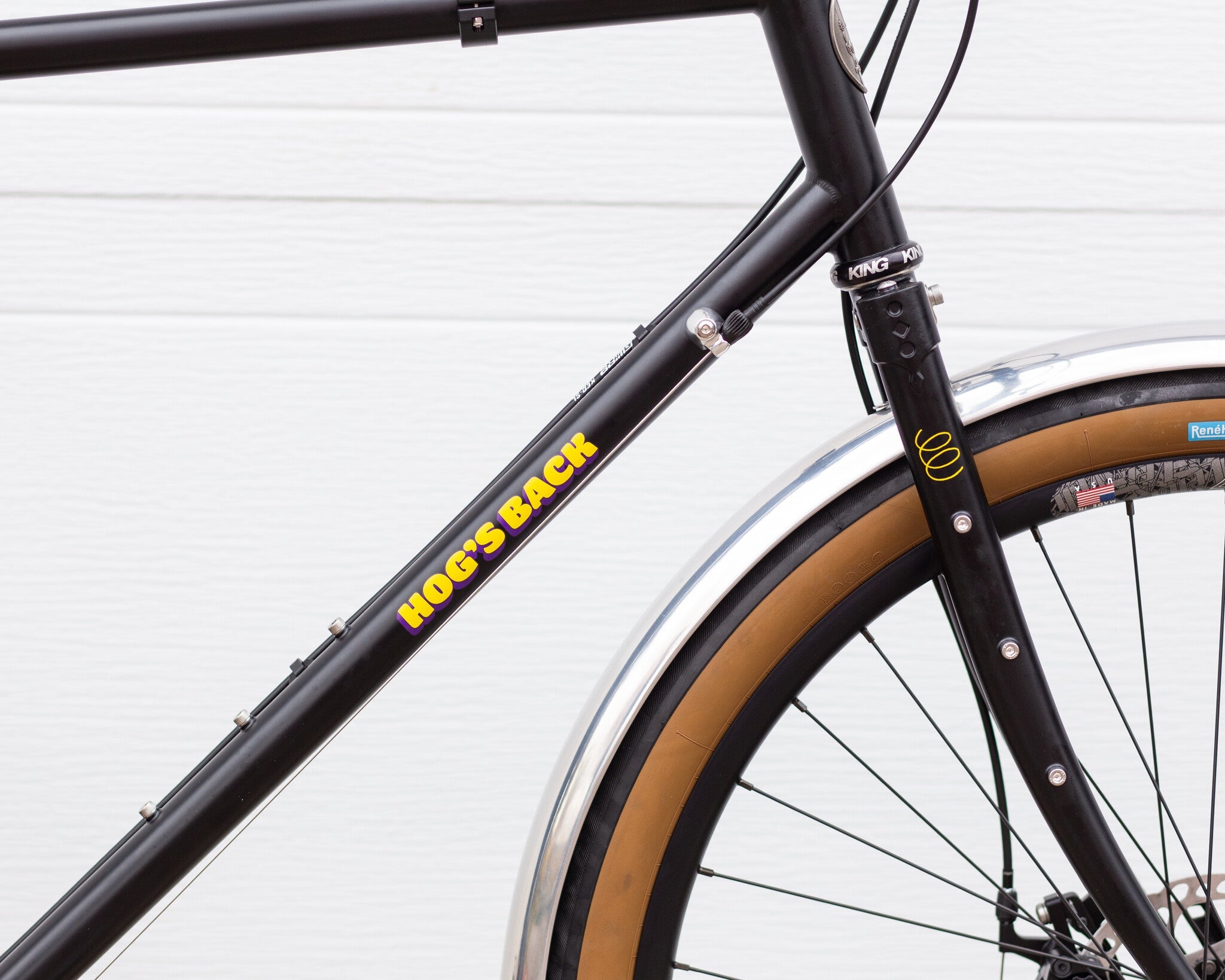
We've had a wonderful year at Bassi, with touring fans worldwide continuing to love the steel bikes we make. Hog's Back frame arrival We restocked (and sold out!) a small run of frames this year. Not to worry, we've got more coming in the same colours very early in 2026. Bobby's Touring Coyote This is exactly what this frame was always meant to do! This year it distinguished itself on a massive trip to rural Colombia that killed other bikes (looking at you Vince...). The breakdown he wrote is thorough. Nitto Bassi Bobby Bar Speaking of Roberto's fine industrial design work, the Nitto-made version of the Bobby Bar came out this year, with its 25.4mm clamp area allowing many more bikes to use them. Plus since they're made by Nitto they're even more good-looking than they were. Keystone + Bassi Prototypes We teased these early this year after riding them last year: the prototypes for what would become the Belmont were educational and really helped us figure out what we and Keystone wanted on the final design. We wound up selling most of the prototypes but we (and maybe Keystone) have a couple left. The Belmont frames landing Our collaboration with Keystone Bikes of Philly was finally real! We had some frames air-shipped so we could launch them at the Philly Bike Expo and a few weeks later the whole batch arrived. This all-road fast bike has proven really fun to build in various ways but is really comfy with drop bars thanks to its high stack. Belmont launch at PBE 2025 Everything came together just right for our booth at the Philly Bike Expo: the air-freighted frames landed less than a week before the show and the complete demo bikes were being assembled at Keystone Bikes until the day of load-in at the convention centre. We were in Rando Alley with some storied framebuilders and bike companies and had a wonderful time showing off the new bike. No, you're not seeing double in that photo: we repainted and rebuilt the prototypes just in case the production frames didn't ship in time. Belmont stock builds We co-ordinated cross-border parts availability to be able to offer the same stock build at an affordable price at both C&L and Keystone: a handsome, quick randonneuse ready for adventure on any road you can think of. Le Montréal arrival A long-overdue restock of Le Montréal frames landed late this year, with some minor quality of life improvements. That's a lot of models we got in this year, holy cow, I just realized. We decided to showcase a bunch of different builds to demonstrate the frame's versatility, it's a really impressive all-rounder. Troy and Julian put together a one-off custom That's it in the photo above. The Japanese M's Bar is of course ideal for a city ripper like this, as are the DTH BMX tires on a 26" bike like the smaller Montréals, but we also needed to test some prototype hubs and cranks. So far so good, look for them to be available in 2026! This beaut is still available to buy, FYI. Simon talks revision history on the frame It's what I decided to keep as the closest thing to a road bike in my stable. Given that I swapped from a 52cm V2 frame to a 55cm V3 frame I figured it would be a good chance to go over how the development over time of the Montréal mirrors our place in the wider cycling industry and exemplifies our frame design philosophy. Ben's retro racy big boy This bike is unique in impressive ways. It almost feels like a cyclocross machine but made for city biking! The Memento rack is super powerful and the drivetrain and Paul mini-V brakes must feel so good. And yes folks, that is indeed a vintage Selle Idéale saddle. All compliments for that one go straight to Ben please. No reading link, but for sure open that picture in a new tab to look at the details. Sam's Montréal A classic bike mechanic's special but he put together a lovely collection of parts for this build! It's on a V2 52cm frame and is a sterling example of the custom city builds we've made over the years. Paola's Rachel Paola hand-picked her own components when she visited Japan, then had us put them on a bike. The effect is superb! Adam Bell caps We've been buds for many years and have worked with him the whole time, so why didn't we have him design a cap for us? We don't know either, it's weird, but we remedied it this year! He's probably the best designer doing it today, and the results are excellent. Antoine's black-and-gold Hog's Back The blingiest Hog's Back we've built? Quite likely. The parts are nice of course but it's all the yellow-gold anodized parts that do it. Marianne's Purply Hog's Back It's a classic colour combo with this colour frame, but this is a really fun and thorough interpretation! Tyler's Demo Belmont Sometimes a staff member has a good idea for a one-off fun build and we let 'em at it. This one's available at our 75 Villeneuve W store. Path Less Pedaled reviews the Belmont After riding it for months and discussing it in public a few times, Russ from the PLP youtube channel just released his final review of the Belmont, and he was as kind as he was fair! Julian went and picked up the review bike once Russ was done with it and rode it around Europe, and it's now home again.
Best of C&L 2025
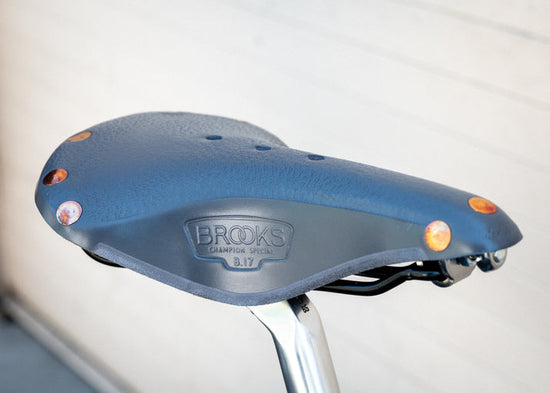
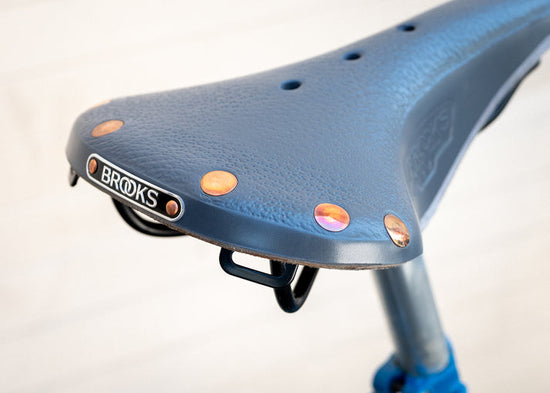
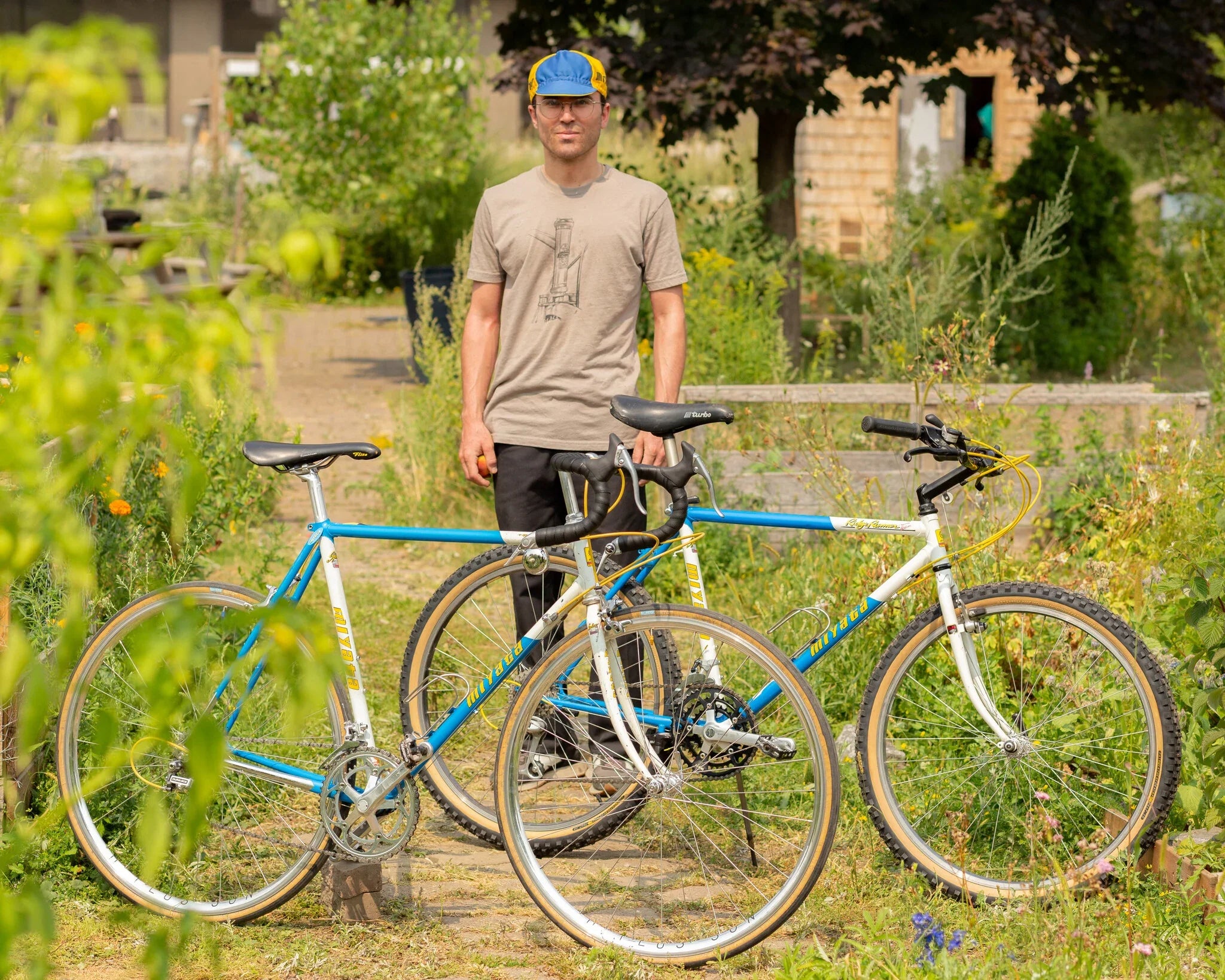
Here's our little wrap up of things we're proud of and had fun doing in 2025. Before starting, though, thanks to you for being with us this year! It's important for us that we can be the bike company that Canadian cyclists can rely on and enjoy working with for their bike needs. A particular nod to all the local Montréal cyclists who come to us with special projects and interesting frames, you'll see plenty of those right below! Coffee rides This year Cory and Lauryn have been stepping up to help me lead the coffee rides on the weekends, and it's been good fun to follow them to the destinations that interest them. Our regulars and our occasional visitors are always a beam of sunshine in the morning. Thanks chums! Panasonic custom This is a made-to-order frame that its rider went to a lot of trouble to get, and brought us to complete the build with excellent road-bike components. Oli's Bike One of our mechanics' bikes, for his super-long-distance rides. A real inspiration for the day-after-day cyclists out there. Roaduno Triplette This tringlespeed build was for a cyclist who came into the shop and couldn't help making goo-goo eyes at the Roaduno frames we had on display. It's a fun and silly concept and we're really happy that Rivendell produced it, and that riders got the vibe. Bill's winter bike Bill's one of our most experienced mechanics, and for a few years now he's been branching out into framebuilding to a level of quality and detail that's very impressive. This winter bike of his is a legend. Bobby Bar by Nitto This year we launched the Bobby Bar collaboration with Nitto. They made a 25.4mm version of the bar Roberto designed for the Hog's Back, so that it can be used with even more stem setups. Not to ring our own bell but it's one of the prettiest and most comfortable flat bars around. Velo Orange in Canada This year we and Velo Orange got to talking, and agreed that Canada would be well-served by having bike shops be able to buy VO from a local distributor instead of having to do the import-paperwork-tango every time. We're really happy to be working with them, they're friendly and professional people, and their bike parts really work with what we do. Vince's Mutt Vince also took a framebuilding class and this bike he built has now gone through its paces. Vince has some good things to say about the design choices that worked and those that didn't. Cory's Raleigh It's a vintage one with all the right colour bits. Also did you know that Cory's from Brighton? There have been hints. Blue Lug and Fairweather This is a 2025 but also 2026. We love what Blue Lug makes and sources, and their Fairweather brand of bags is really pretty but also well-designed and made in-house. We've been increasing availability of everything Blue Lug this year and it'll continue next year. Brooks repair The word's gotten out: we fix Brooks saddles. The leather isn't repairable but when people break hardware or rails, they know to send it to Simon who'll get their butt on comfy leather again. Frame repairs We keep it low-key (JD does not keep it that low-key) but we actually repair and modify bike frames, it just makes sense to keep bikes on the road even if we love selling new frames. Our J-D adds brake posts, fixes stays and tubes, adds eyelets, and a surprising amount more. Paint job not included but it's fun to do it yourself and add a touch of contrast to your paint job. Julian's twin Miyatas Ask Julian about his bike collection sometime in case you want to see him blush. Somehow he put together these Miyatas, a road bike and a mountain bike from the same year and with the same paint. They're close to original and are good bikes. The matching cap was a gift from a good bike industry buddy. The Skatepark Tour On Saint-Jean day Julian organized a tour of some of the city's good skateparks and despite the heat, a bunch of you came with! It seemed fun even though I only caught them at the tail end when they all looked like they needed an ice cream or twelve. There's no link to the story just yet but keep an eye on the website, it'll be up very soon. A good way to keep abreast of what 2026 will bring is to follow our socials or read our newsletter. See you in the new year!
Bicycle Repair and Empowerment
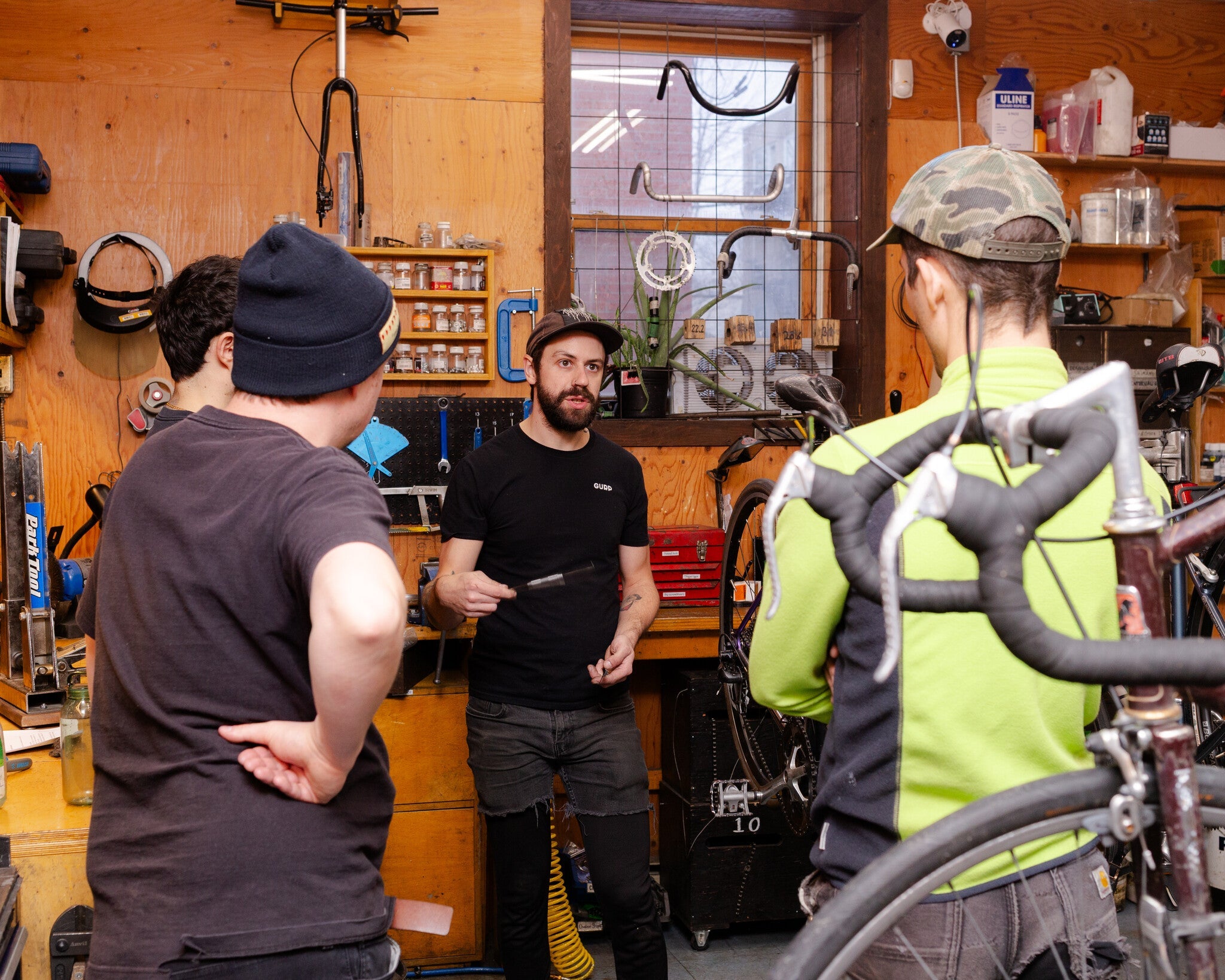
You know how some things took a long time coming back since the pandemic? The mechanic classes at C&L are (were) one of those things. Initially, we wanted to bring them back last year, but personal projects got in the way, so we’re quite happy to be able to offer them this year. I believe education is a key element to having a healthy bike community. It may sound like an odd thing to say coming from someone working in a bike shop, but I do believe cyclists gain from not being too reliant on bike shops. Knowledge and education mean cyclists are more autonomous in their bike's maintenance, which helps reduce maintenance cost, and gives them more confidence in making educated decisions. I believe the word is “empowerment”. In an industry more and more driven by complicated systems and new tech, education is even more important to try to keep the bicycle as accessible as possible. Our classes have different levels so that they can better cater to your needs, and the small groups of 4 participants per class mean we can pay proper attention to the particularities of everybody’s bikes. If you are looking for a comprehensive class that will start from the basics and progress to more complex operations, while learning a couple of insider tricks along the way, this is the one!Don’t hesitate to reach out if you have any questions; we’re always happy to accommodate however we can and keep an eye out. We’ll be adding dates as the classes fill up!
Newsletter 5th December 2025
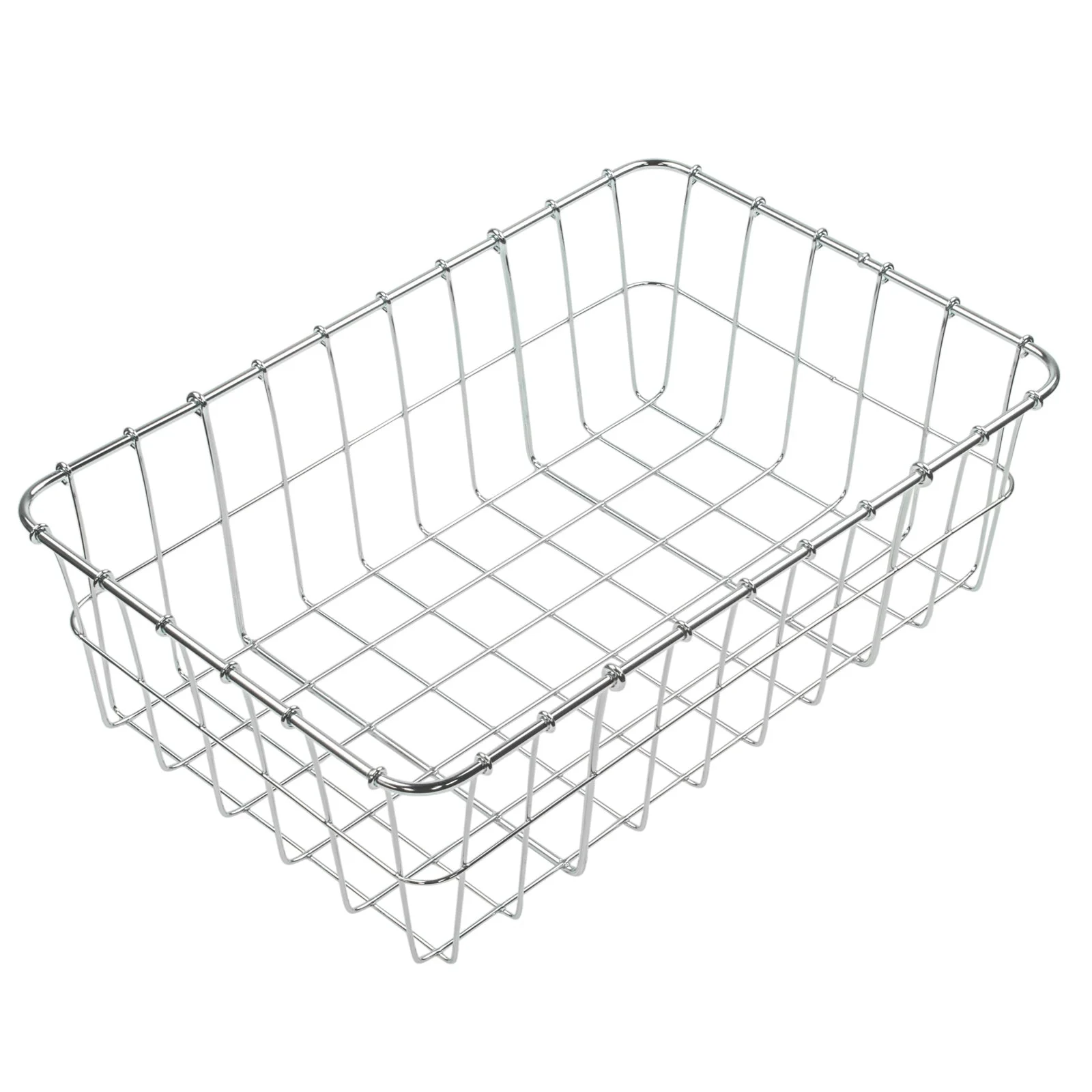
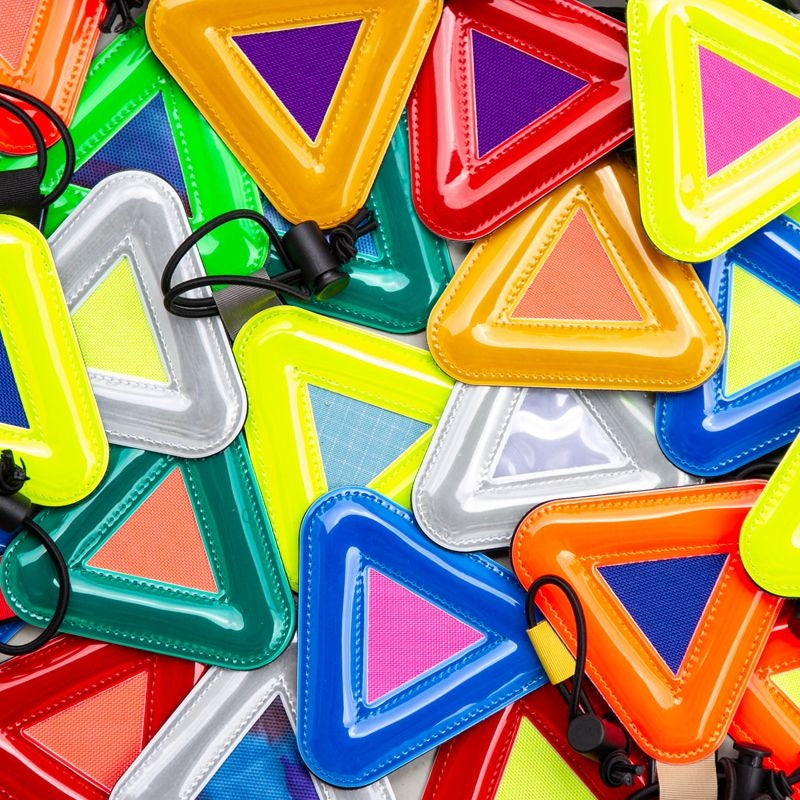
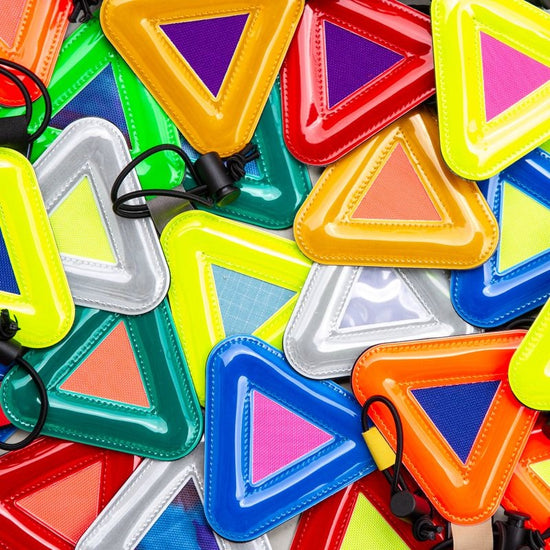
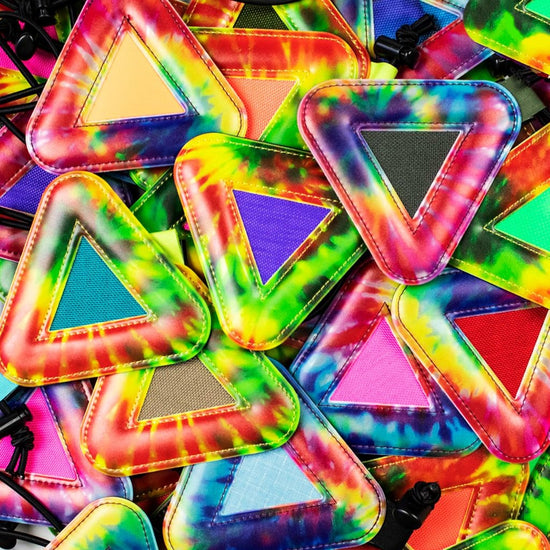
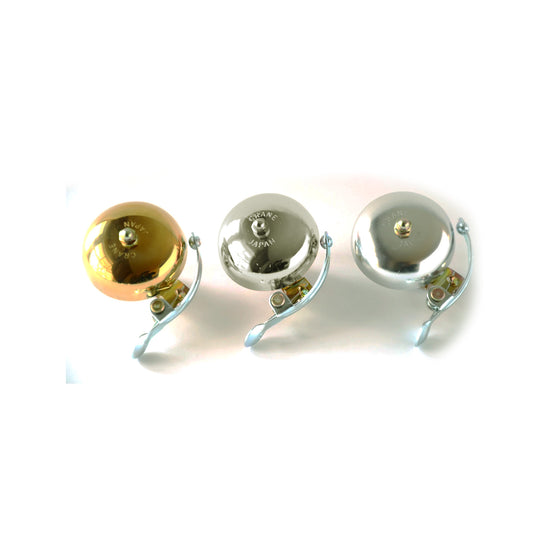
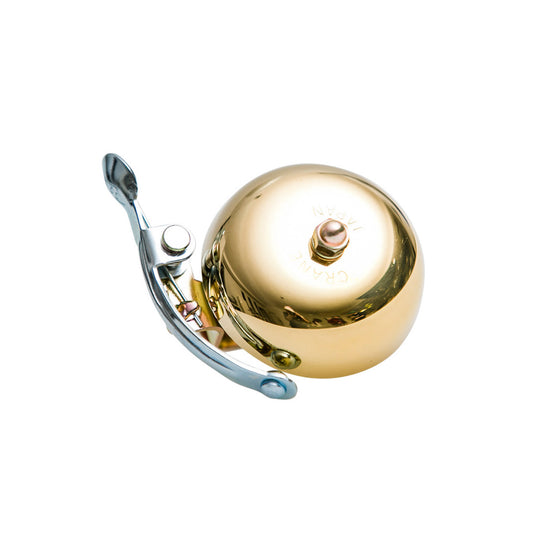
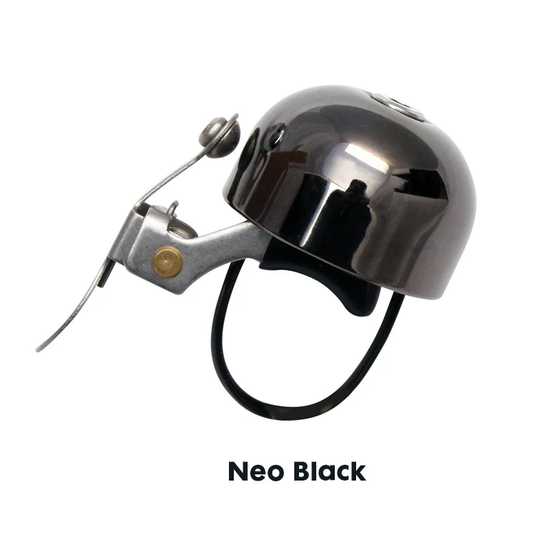
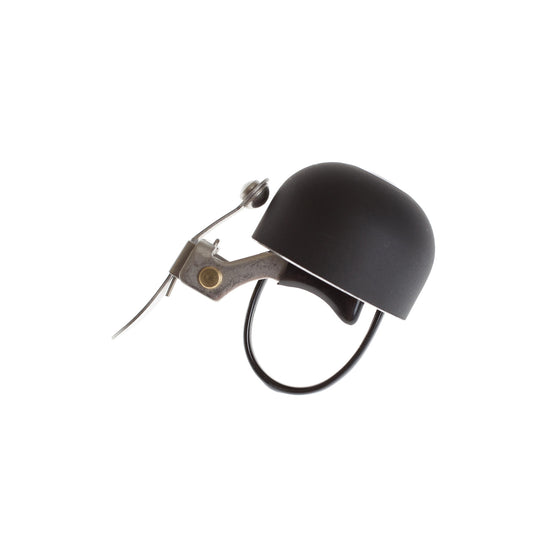
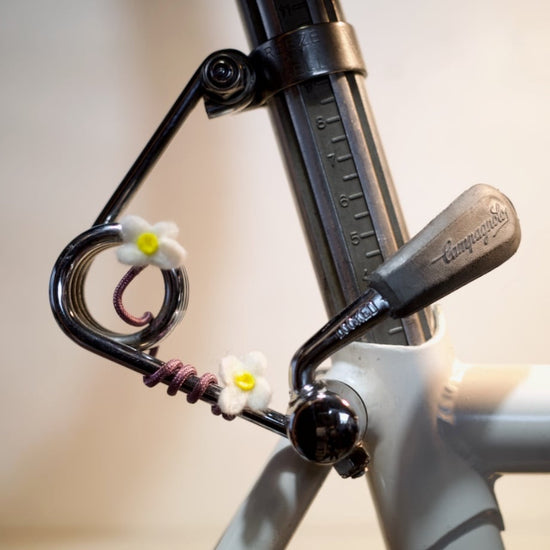
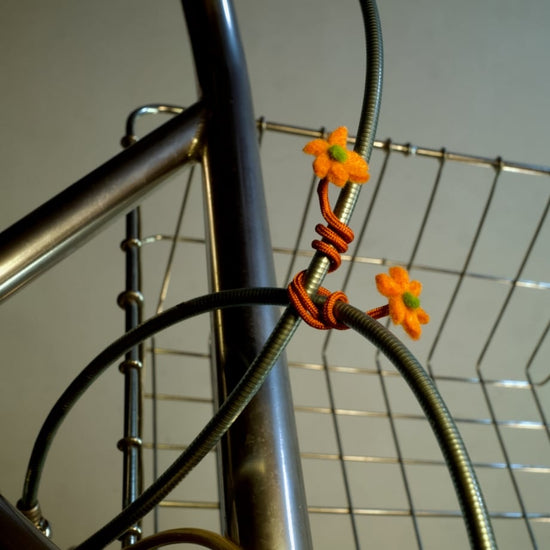
Newsletter 05/12/25 Hello, hello, hello, The acknowledgement that it’s winter still hasn’t settled within me yet, unlike the snow, which has firmly settled outside. All auspices point to a long and cold winter, which will hopefully only make the spring and summer all the sweeter. There is, of course, one respite in the frozen months: the holidays! Since Yuletide is upon us, we thought we’d put together a little list of items that would make for some great stocking fillers for the bike-maniac in your life. No time like the presents Here are twelve of our staff's picks for holiday gifts (no need to read into that number) brought to you by Jaydee: 1: The Flip FuelWhether it’s for a bikepacking trip or a coffee outside, this little device will allow you to combine all those nearly empty fuel cans into one, freeing up a bunch of space in your pack. No wonder it’s Lauryn’s fave. 2: C&L Titanium MugAt home, at the office, during a coffee ride, or on a trip, this ultralight and snazzy titanium cup will support your caffeine addiction wherever you go.These coffee accessories will have you caffeinated all the way into 2027. 3: Anything Blue Lug!Everything these folks make is cute and fun. From the reflective triangles to their seat basket pads, you’ll definitely find something even the most geared-up cyclist doesn’t already have. 4: C&L SoftgoodsWe have totes, caps, T-shirts, and hoodies in all sizes—maybe even a few workwear jackets left! 5: Fauna Cargo CagesSolid, light, made in Canada, and 14% off when you buy a pair! What’s not to love? 6: Cable Cuffs & Ghooost FlowersLooking for an elegant way to manage your cables? Both of these options are handmade and cute AF! The Ghooost flowers are made by @GHOOOST in Japan, and the cable cuffs are made by me (@devolution514) by silver-brazing recycled bicycle chain parts right here in Montreal. 7: Quad Lock ProductsAt the price of mobile phones these days, you shouldn’t gamble on dubious phone mounts. We’ve tried a plethora over the years, and this one reigns supreme—standing above all the others. Really, stop playin’! 8: Voilé and Austere StrapsThese things are to cycling what Tupperware is to a kitchen: you always need a bunch, in all shapes and sizes. 9: Crane Bicycle BellThese beautiful bells, made in Osaka, Japan, have some of the most pleasantly noticeable sounds you’ll ever hear. Some of the brass ones can ring for up to 15 seconds! They’re guaranteed to make heads turn. After all, isn’t that what bells are for? 10. AeropressDon’t be fooled by its simplicity and compact size—this coffee press may become your most valuable tool on the road or even in your everyday kitchen at home. 11: Brooks Seat CoverAlright, confession time. I may have learnt the hard way that just because someone might need something, that doesn’t mean it should be made into a present. (Ask me about the toolbox incident of Christmas 2004) But hey—if someone rides a Brooks and it’s looking a little… vulnerable… This could be a clutch stocking stuffer. But, proceed at your own risk. 12: Water BottlesWe have so many fun ones! Tabasco tribute, Vermont maple syrup, C&L—hell, we even have a Kewpie Mayo one!!! Servicing the Christmas Spirit If none of JD's suggestions tickle your fancy, why not, in fact, get your name on the starting grid for one of Vincent's mechanics classes? Vincent: Our first series of classes is in full swing, with one or two classes per week and a good number of happy students. I always find it interesting how the same class can go in very different ways depending on the number of participants, their prior experience and their respective bicycles. I think a major advantage of having a maximum of 4 participants is that I get to spend time with each one of them and help them learn the particularities of their bicycle. It’s one thing to learn the theory behind how to adjust a derailleur, but every bike is different and the “correct” way of doing things rarely works flawlessly in the real world. As I’m writing this, the mechanic class level 2 in French next Sunday is full, but there are a couple of spots available for the English class Sunday December 14th! That being said, if you know someone who missed on that first batch of classes, here’s a good way to cheer them up: offer them a place on our Mechanics Course! Whether it’s for our flat repair class, mechanics level 1 and 2, or our wheelbuilding class, it’s the perfect gift for anyone you know who expressed interest in bike mechanics. The preorder is open for any date, and additional dates will be announced early after the holidays. For more information about our various classes, consult our website here. The Path Less Pedalled As some of you may have seen, our very own Julian has been on a european adventure over the last couple of weeks, cycling from Girona to Marseille with a couple of pals. In Girona, he swung by the kind folks at Path Less Pedalled, to talk all things Bassi, Belmont and bikepacking. If you haven't seen either of the videos with Julian, I highly recommend checking them out! The Parts Swap, ex post facto, from Vincent's pen: Holy moly! What a blast that was! Sunday November 16th was our second annual Parts Swap Meet, and I think anyone would agree the event was a success. The flow of attendees was pretty much relentless throughout the day and the turn up was actually impressive, considering the mix of snow and rain going on outside and nearby events like Expozine and others. The little church’s basement was packed most of the day with an alluring amount of niche and weird bike parts of all eras and categories. Even though I’ve been told most participants didn’t sell that many parts, the feedback I get the most is that everyone was very happy they got to chat and just hang with fellow bike nerds. I personally see the Parts Swap more like a social/community event rather than commercial or with the intent of selling as many parts as possible. People also seemed to appreciate the other, non-bike related attractions. The noodles served by Sun Ramen were so delicious and perfect for such a cold and wet day, and the beers from Projet Pilote made for a nice little relief in the late afternoon. I even got to discover a very cool tattoo artist, Onsight Tattoos, who had a number of awesome bike-themed flashes and got to ink a couple of people. As the de facto event planner at C&L, with little experience in that regard, I always find it daunting to organize something of that scale. How do I know if people are gonna like it? How do I make sure people are gonna come? What is it they want to see? So many questions are spinning in my head during the weeks leading to the event, and the result seems to be that whatever it is we’re doing, it’s working. I’m very grateful for everyone who got involved in the organization and during the event, and for every single participant and attendee who made this event possible. Myself I had little time to walk around and chat, but I still got to see so many familiar faces, meet new people, and see satisfied people leaving with a handful of parts. It’s hard to tell what’s in the bank for next year. Every time we’re doing it we’re learning new things and finding ways to improve it. Do we want to make it grow? Can this be done while staying accessible and free to attend? Could it be merged with something else? We’ll see, but on our end it’s clear it’s an event we want to see happening every year and make it a tradition
Philly Bike Expo 2025!
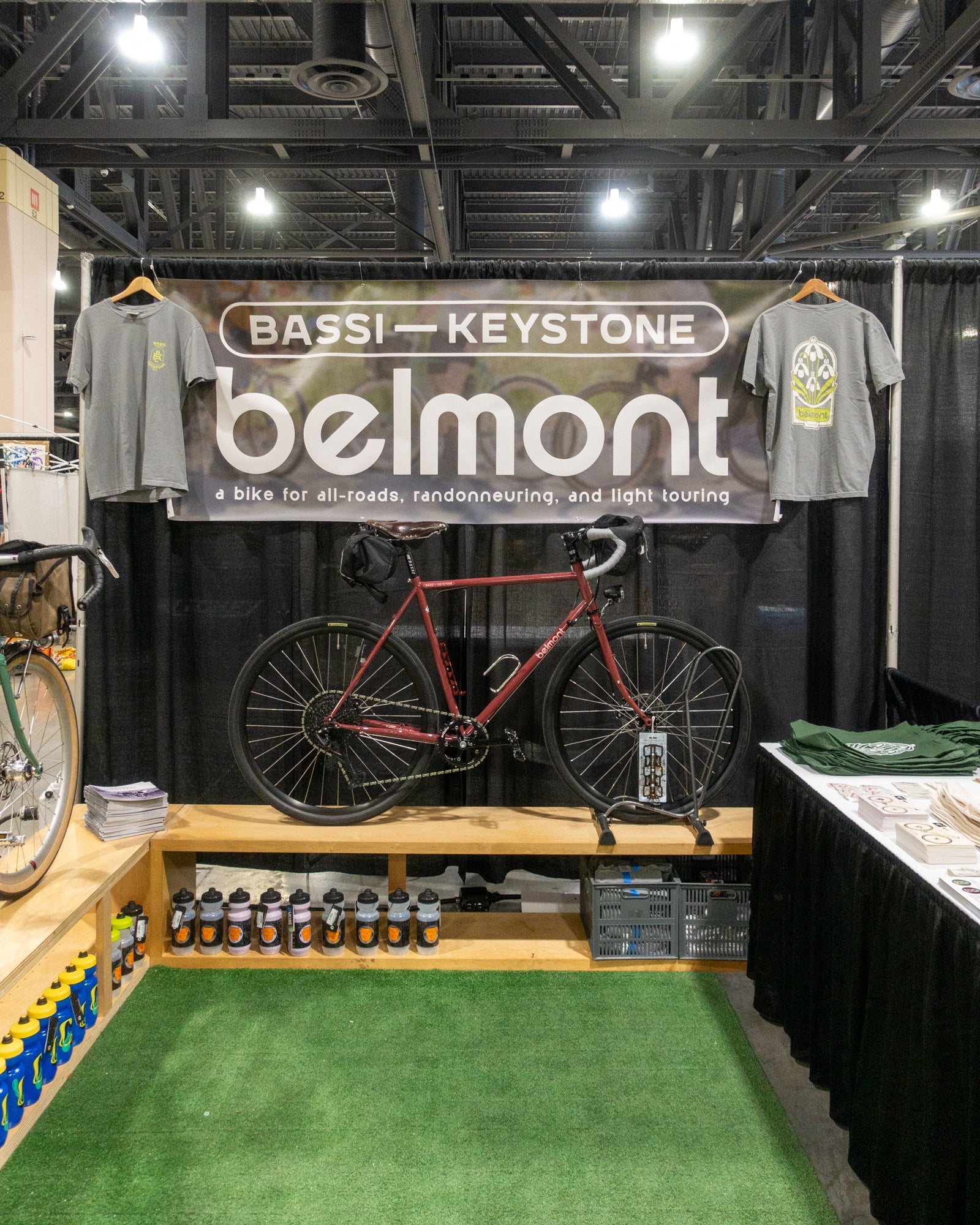
Philly Bike Expo was a blast! We travelled down to launch our newest frame, the Belmont, a collaborative effort with our pals Keystone Bicycle Co. In the two weeks leading up to the show, we were all a little on edge. When we projected ourselves launching this bike at the 2025 Expo, an idea that came about nearly at the inception of this project around a year ago, we never expected how tight - albeit perfect - the timing would be. With a “mid- to late-February” ETA, with an emphasis on the letter “E”, each week leading up to the show without having the bikes on hand was a little more stressful than the last. Our manufacturers, pros we’ve been working for since 2009, pulled it off and we collectively sighed in relief. After a week of staring at the tracking number slowly making its way from Taichung to Taipei to Jamaica, NY, to Philadelphia, they showed up and we celebrated! This was Wednesday, the booth had to be set up by Friday. Keystone snapped a couple pics of the frames before assembly, then got busy with some choice builds using choice parts from all our favourites: Paul Component, Microshift, Grepp, Ultradynamico, Swift Industries, Nitto, Busch & Mueller, and more of our favourites! The results were fantastic, and we couldn’t be happier to share them with the public at the show and across the internet, too! Zach shared the story over a groggy breakfast burrito to Nic Morales from Bikepacking.com and we’re thrilled to be featured in their coverage of the show. Our booth was very much flower-themed, to match with the snowdrops on the bike’s head tube decal designed by friend and Bassi rider Lauren West. We had fun totes and tees for sale (available online soon!) and got to hang out with friends, bike heads, industry folks, and chat about bikes for a whole weekend. The dream! Another highlight, of course, was visiting all the other booths vendors had set up to show off their latest and greatest. We were conveniently located among friends and legends in the new “Rando alley” area of the Expo. It was oh-so-special to be so close to the folks we look up to: Chapman, Coast, Rivendell, Wake Robin, and JP Weigle, to name a few. Wanna reserve a Belmont? Stocks are very limited! Pre-orders are live, if you’re in the US hit up Keystone’s website, and if you’re in Canada or elsewhere, we’ve got you at C&L Cycle. We’re back in Montreal, ready to answer questions, talk builds, and take your orders!